CM3leon by Meta
CM3leon is a groundbreaking generative model that redefines the capabilities of AI in both text-to-image and image-to-text generation. As a multimodal model, it seamlessly combines autoregressive models, offering a cost-efficient …
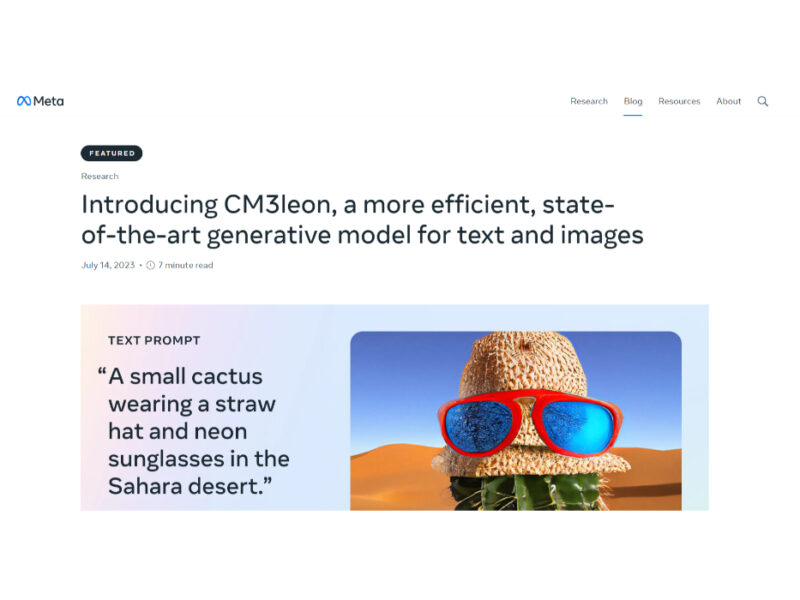
About CM3leon by Meta
Use Cases
Use Case 1: Precision Image Editing for E-commerce Marketing
Problem: Marketing teams often have high-quality product photos but need to adjust them for different seasonal campaigns (e.g., changing a summer background to a winter one) without paying for expensive re-shoots or spending hours in manual editing software.
Solution: CM3leon’s text-guided image editing allows users to modify existing images using simple text instructions. Unlike traditional models that might struggle to maintain the integrity of the original object, CM3leon’s multimodal architecture understands the relationship between the existing visual and the new text instructions.
Example: A furniture brand takes a photo of a sofa in a studio. Using CM3leon, the marketer uploads the photo and prompts: "Change the background to a cozy living room with a fireplace and change the sofa fabric color to emerald green."
Use Case 2: Automated High-Detail Accessibility for Web Platforms
Problem: Manually writing descriptive "alt-text" for thousands of images is a bottleneck for web developers and content managers, yet it is essential for SEO and accessibility for visually impaired users.
Solution: CM3leon excels at "long-form captioning" and "very fine detail" image description. It can analyze complex images and generate text that describes not just the main subject, but the background, lighting, and spatial relationships between objects.
Example: An automated workflow for a news site feeds a photo of a protest into CM3leon with the prompt: "Describe the given image in very fine detail." The model generates: "A large crowd of people standing on a city street holding cardboard signs. In the background, there is a clock tower and a clear blue sky. The people are wearing autumn clothing."
Use Case 3: Rapid Prototyping from Wireframes and Layouts
Problem: Interior designers and UI/UX designers often have a specific layout or "bounding box" structure in mind but struggle to find or generate images that adhere strictly to those spatial constraints.
Solution: CM3leon supports structure-guided image editing, specifically "segmentation-to-image" and "object-to-image." This allows users to provide a rough structural map (where objects should be located) and have the AI fill in the realistic details.
Example: An interior designer creates a basic segmentation map showing a rectangle for a bed, a circle for a lamp, and a square for a window. They feed this into CM3leon with the prompt: "A modern minimalist bedroom with sunlight streaming through the window." The AI generates a photorealistic image that places the furniture exactly where the designer specified.
Use Case 4: Complex Visual Content Creation for Storyboarding
Problem: Content creators and authors often need specific, highly compositional images for storyboards (e.g., "a specific character doing a specific thing with a specific tool"). Most generative AI models lose track of details when a prompt has too many constraints.
Solution: CM3leon is specifically noted for its ability to handle "highly compositional structure" and "complex compositional objects" better than previous models like Parti. It can manage multiple adjectives and objects within a single frame without blurring them together.
Example: A storyboard artist for a graphic novel needs a specific scene. They prompt: "A raccoon main character in an Anime style, wearing a red scarf, preparing for an epic battle with a samurai sword in a bamboo forest at night." CM3leon generates a coherent image where the character, clothing, weapon, and environment all meet the specific criteria.
Key Features
- Bi-directional multimodal generation
- Retrieval-augmented pre-training
- Text-guided image editing
- Structure-guided image creation
- Visual question answering
- Mixed-modal sequence generation
- Instruction-tuned multitask performance
- Integrated super-resolution scaling
Similar Tools You Might Like
Discover more tools in the same category
AI Experiments
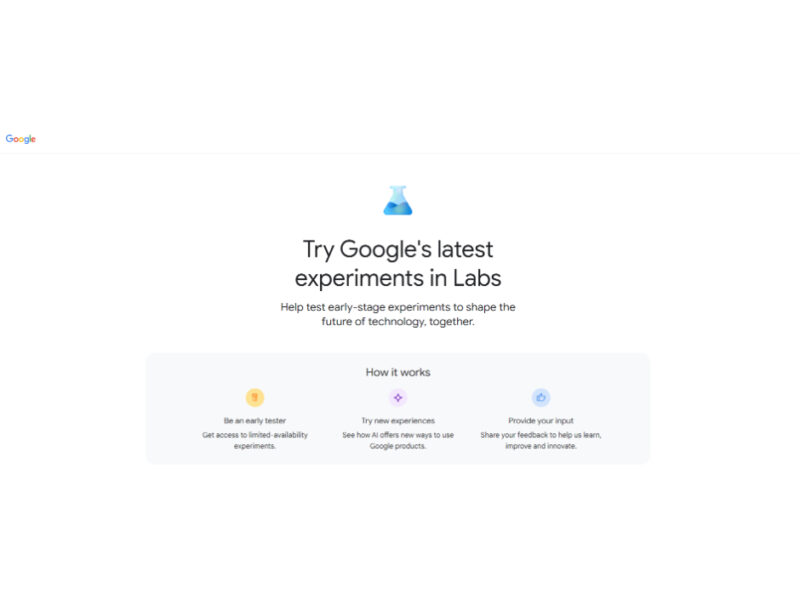
Discover the captivating world of machine learning through stunning visuals, playful illustrations, expressive language, and …
Talk To Books
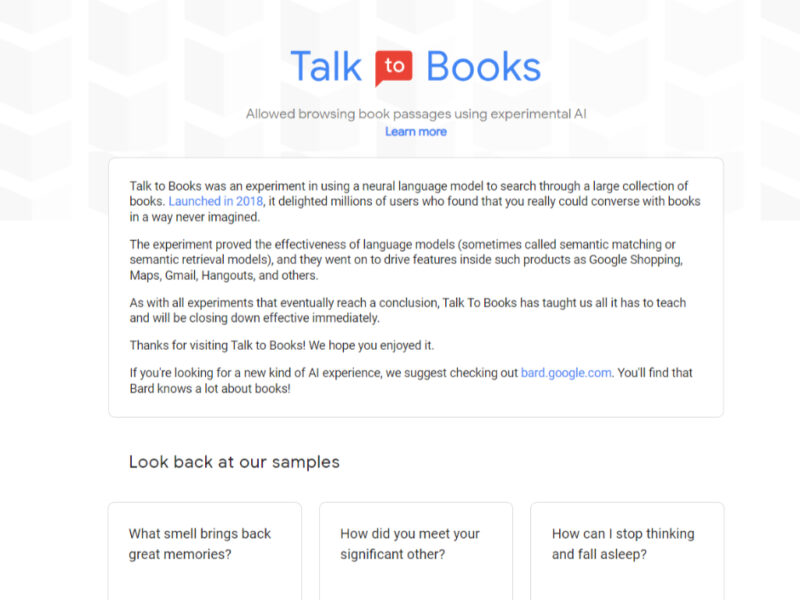
Discover and explore an exciting array of AI-powered books for a truly immersive reading experience. …
Local AI Playground
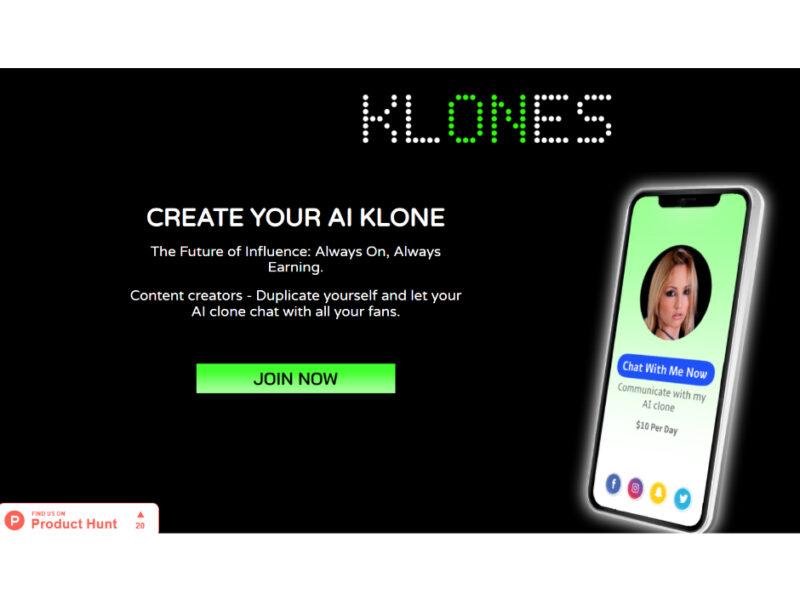
Local AI Playground is a groundbreaking native app that simplifies AI experimentation by allowing users …

Explore Related Categories
Live Preview:
Updates automatically with live stats
Copied to clipboard!