The GPT Who Lived
Experience an exhilarating and captivating Harry Potter Q&A session like never before with GPT!

About The GPT Who Lived
Use Cases
Use Case 1: Capturing Character Voice for Fan Fiction and Creative Writing
Problem: Creative writers and fan fiction authors often struggle to accurately capture the specific speech patterns, vocabulary, and "voice" of characters from the Harry Potter universe, leading to dialogue that feels out of character.
Solution: "The GPT Who Lived" is specifically tuned to the persona and lore of the Wizarding World. Authors can use it to draft dialogue or brainstorm how a specific character would react to a new situation, ensuring the prose feels authentic to the source material.
Example: A writer provides a prompt like, "How would Harry Potter explain a smartphone to Arthur Weasley?" and uses the generated output as a foundation for a comedy sketch or story chapter.
Use Case 2: Immersive Roleplay and Tabletop Gaming (TTRPG)
Problem: Game Masters (GMs) running Harry Potter-themed tabletop sessions often need to improvise dialogue for iconic characters or NPCs on the fly, which can be difficult to do while managing game mechanics.
Solution: GMs can use the tool as a "digital co-DM" to generate lore-accurate responses, flavor text, or even riddles in real-time. This maintains the immersion for players without requiring the GM to be an expert in every line of the series' dialogue.
Example: During a game session, a player approaches a portrait at Hogwarts to ask for a secret passage. The GM enters the question into the tool to receive a cryptic, wizard-like response to read aloud to the group.
Use Case 3: Themed Marketing and Social Media Content Creation
Problem: Marketers or content creators running "Back to Hogwarts" events or Harry Potter-themed product launches need to create catchy, lore-rich social media captions and email headers that resonate with a highly observant fan base.
Solution: Instead of using generic AI, creators can use this tool to generate puns, magical metaphors, and themed copy that specifically targets the "Potterhead" demographic.
Example: A bookstore owner uses the tool to generate a series of Twitter posts written in the style of a Daily Prophet headline to promote a midnight release party for a new fantasy novel.
Use Case 4: Educational Engagement and Creative Writing Prompts
Problem: Teachers often find it challenging to motivate students to participate in creative writing exercises using traditional, dry prompts.
Solution: Educators can use the tool to generate "letters from Hogwarts" or quest assignments. By framing a writing task as a message from a beloved character, students are more likely to engage with the narrative and practice their composition skills.
Example: A teacher uses the tool to generate a "Letter from Professor McGonagall" that describes a magical mishap in the Transfiguration classroom, then asks the students to write a story explaining how they would fix the mess using a specific set of vocabulary words.
Similar Tools You Might Like
Discover more tools in the same category
Unreal Meal
Looking for enticing and creative meal ideas for your recipes and projects? Explore our collection …
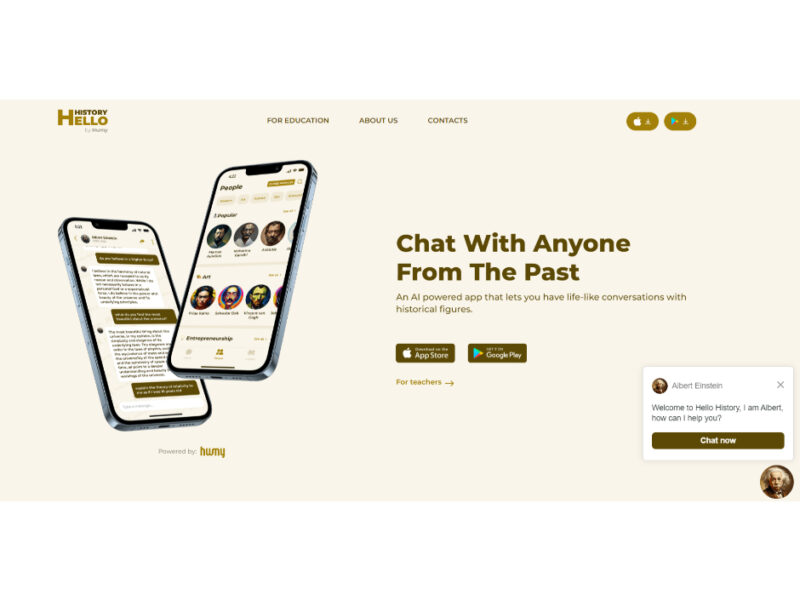
Hello History
Hello History is an innovative AI-powered chatbot app that offers users the unique opportunity to …
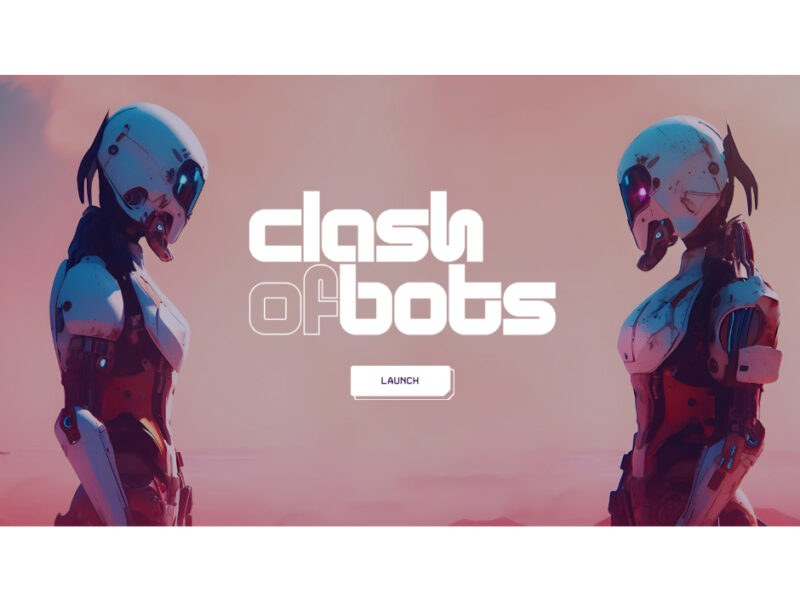
Clash of Bots
Clash of Bots is an innovative AI-powered tool designed to revolutionize the art of debate. …
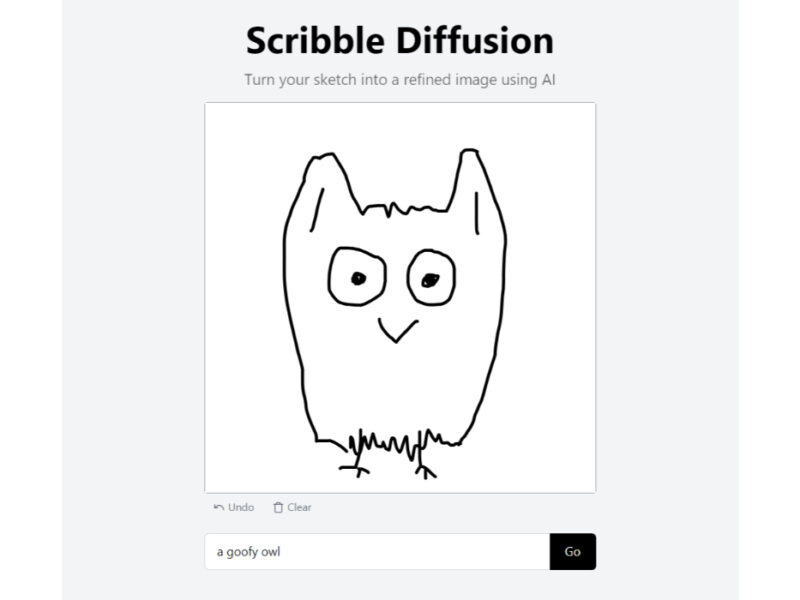
Scribble Diffusion
Scribble Diffusion is an innovative and entertaining app that harnesses the power of AI to …
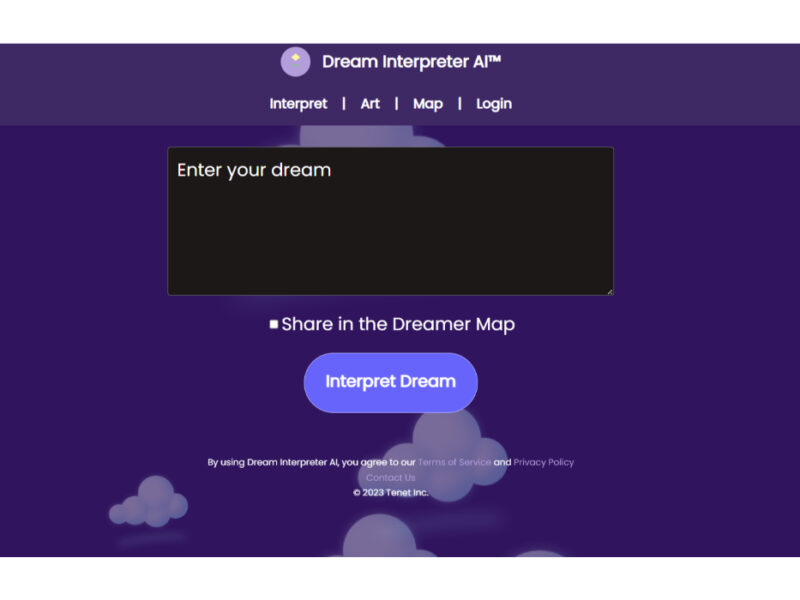
Dream Interpreter
Dream Interpreter AI is a state-of-the-art tool designed to delve into the fascinating world of …
Explore Related Categories
Live Preview:
Updates automatically with live stats
Copied to clipboard!