Tabnine
Tabnine is an incredible AI-powered tool that significantly boosts code development productivity for developers, operating seamlessly in any integrated development environment (IDE). With Tabnine, developers can write code with lightning …
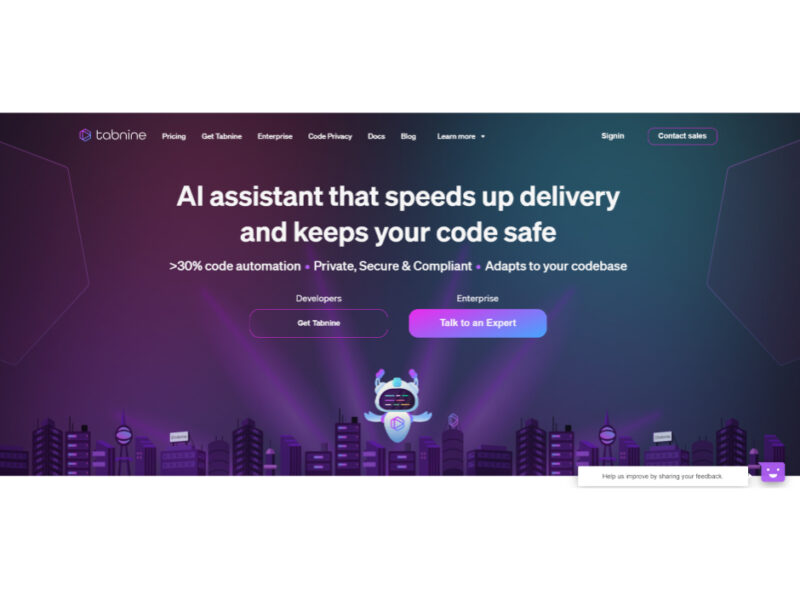
About Tabnine
Use Cases
Use Case 1: Secure AI Adoption in Mission-Critical or Air-Gapped Environments
Problem: Organizations in highly regulated industries (such as defense, finance, or healthcare) often cannot use cloud-based AI tools because of strict data privacy laws and the risk of intellectual property leakage. They need the productivity of AI but cannot allow code to leave their internal network.
Solution: Tabnine offers flexible deployment options, including on-premises and fully air-gapped installations. This allows teams to leverage AI code completions and agents without any data ever leaving their secure infrastructure, ensuring full Zero Trust compliance.
Example: A lead engineer at a financial institution installs Tabnine on an air-gapped local server. The development team gets real-time code suggestions and debugging help across their IDEs while remaining 100% compliant with the bank's security protocols that prohibit external internet access.
Use Case 2: Accelerating Onboarding and Development in Legacy Codebases
Problem: New developers often struggle to understand a company's unique, proprietary architecture, mixed tech stacks, and legacy systems that aren't documented in public forums like Stack Overflow. This leads to slow onboarding and "wrong" code that doesn't follow internal standards.
Solution: Tabnine’s Enterprise Context Engine indexes a company’s specific repository history, local frameworks, and coding standards. It provides "context-aware" suggestions that match the organization's unique way of coding rather than relying on generic public data.
Example: A developer joins a team working on a 10-year-old internal PHP framework. When they start typing a new configuration class, Tabnine "reads their mind" by suggesting the exact proprietary props and method names used elsewhere in that specific codebase, preventing errors and reducing the need to ask senior devs for guidance.
Use Case 3: Streamlining the SDLC with Agentic Automation (Testing & Documentation)
Problem: Developers spend a significant portion of their day on "overhead" tasks like writing unit tests, documenting functions, and explaining complex logic to stakeholders, which pulls them away from actual feature development.
Solution: Tabnine provides specialized AI agents for every stage of the software development life cycle (SDLC). These agents can automatically generate comprehensive unit tests, document code snippets, and provide natural language explanations of complex logic directly within the IDE.
Example: After finishing a React component refactor, a developer uses the Tabnine "Create Tests" agent. The tool analyzes the component’s props and logic, then generates a suite of test cases that match the project's existing testing patterns. They then use the "Document" agent to instantly add standardized JSDoc comments to the file.
Use Case 4: Enforcing Organization-Wide Coding Standards and Consistency
Problem: In large engineering departments, different teams often use varying styles and patterns, leading to "spaghetti code" and time-consuming code reviews where senior developers have to constantly correct stylistic or architectural inconsistencies.
Solution: Tabnine acts as a centralized AI control plane. It allows leadership to enforce specific coding policies and ensures that the AI only suggests code that aligns with the organization's approved performance and security requirements.
Example: An engineering VP sets up Tabnine to prioritize specific security libraries over others. As developers across the company work, Tabnine’s autocomplete suggestions steer them toward these approved libraries. This results in cleaner code reviews and a 90% acceptance rate of single-line suggestions because the AI is already "trained" on the company's preferred style.
Key Features
- On-premises and air-gapped deployment
- Enterprise-specific context engine
- Custom model selection for developers
- Internal repository model fine-tuning
- Centralized governance and policy enforcement
- Full-SDLC agentic coding support
- Zero-trust architecture and compliance
Similar Tools You Might Like
Discover more tools in the same category
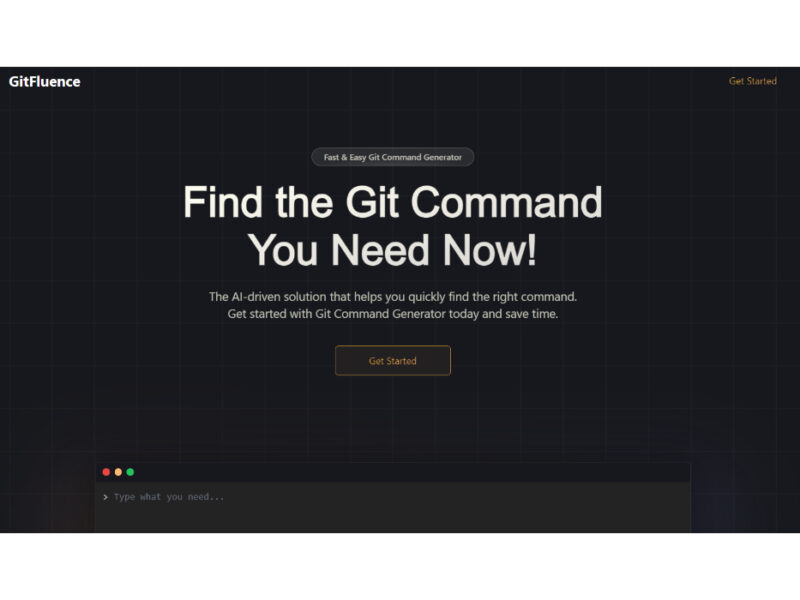
GitFluence
GitFluence is an innovative, AI-powered web application designed to streamline the process of finding and …
Explore Related Categories
Live Preview:
Updates automatically with live stats
Copied to clipboard!