Room AI
Meet Room AI, the AI-powered interior design tool that empowers users to bring their dream living spaces to life. With an array of over 40 design styles to choose from, …

About Room AI
Use Cases
Use Case 1: Virtual Staging for Real Estate Listings
Problem: Real estate agents often struggle to sell vacant properties because buyers have difficulty visualizing the potential of an empty, cold space. Traditional physical staging is expensive, requiring furniture rentals and movers, which eats into the marketing budget.
Solution: Room AI allows agents to take a photo of an empty room and "restyle" it instantly. By selecting a popular style like "Minimalist" or "Farmhouse," the agent can generate multiple photo-realistic versions of the same room to show how it looks fully furnished and decorated.
Example: An agent uploads a photo of a vacant, grey-walled living room. They select the "Scandinavian" style and "Soft Neutrals" color palette. Within minutes, they have a professional-grade image featuring a plush sofa, rug, and lighting to use in the online listing, increasing click-through rates.
Use Case 2: Rapid Concept Prototyping for Interior Designers
Problem: Interior designers often spend dozens of non-billable hours creating detailed 3D renders just to see if a client likes a general "vibe." If the client rejects the direction, those hours are wasted.
Solution: Designers can use Room AI as a "fast-feedback" tool. By inputting specific materials (like "Terrazzo" and "Brass") and styles (like "Art Deco"), they can generate dozens of high-quality concepts in minutes to align with the client before moving into technical CAD software.
Example: During an initial consultation, a designer uses a tablet to show a client different "Industrial" vs. "Japanese Zen" iterations of the client's actual kitchen. The client chooses the "Japanese Zen" look with "Bamboo" materials, allowing the designer to move forward with a narrow, approved creative direction.
Use Case 3: Visualizing Commercial Renovations for Small Business Owners
Problem: Small business owners (e.g., coffee shop or boutique owners) often want to renovate their space but fear that the materials they choose (like "Wrought Iron" or "Stained Glass") won't look good together once installed, leading to costly mistakes.
Solution: The "Design from Scratch" and "Material" selection features allow business owners to experiment with specific textures and lighting styles. They can preview how "Onyx" countertops look against "Teak Wood" walls before purchasing any materials.
Example: A cafe owner wants to pivot to a "Steampunk" aesthetic. They upload a photo of their current counter area and select the "Steampunk" style with "Copper" and "Stone" materials. The AI generates a render showing how the pipes and dark wood will interact with their existing floor-to-ceiling windows.
Use Case 4: Content Creation for Home Decor Influencers and Marketers
Problem: Content creators and marketers in the home niche need a constant stream of high-quality, aspirational imagery for social media, blogs, or ads. Constantly redecorating a physical studio is impossible and expensive.
Solution: Marketers can use Room AI to create "Before and After" content or "Style Guides" without needing a physical set. The "Surrealist" or "Cosmic Chic" styles allow for the creation of thumb-stopping, unique visuals that stand out in crowded social media feeds.
Example: A home decor blogger creates a "7 Ways to Style a Small Bedroom" carousel post. They use one base photo of a small room and use Room AI to generate seven different versions: "Victorian," "Boho," "Industrial," "Minimalist," etc., providing high-value visual content to their followers in a fraction of the time.
Key Features
- AI-powered room restyling
- Photo-realistic render generation
- Extensive architectural style presets
- AI-generated color palettes
- Customizable material selection
- Multi-room type support
- Commercial usage rights
Similar Tools You Might Like
Discover more tools in the same category
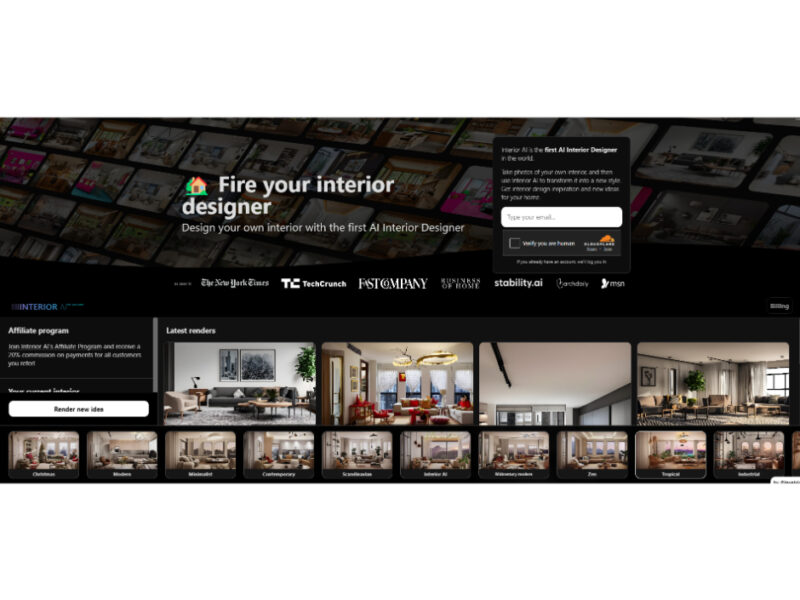
InteriorAI
Explore innovative and captivating interior design ideas enhanced by Artificial Intelligence, making your space truly …
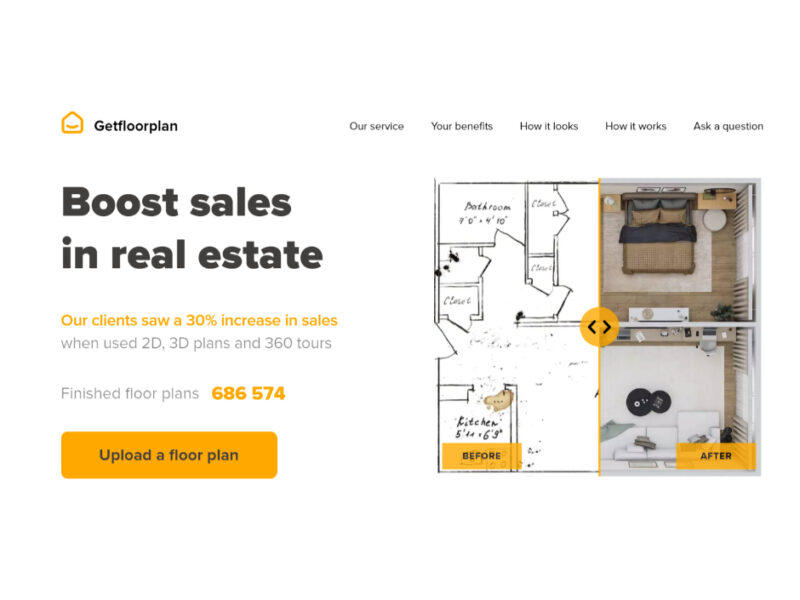
GetFloorPlan
Transform your 2D floor plan into an immersive and captivating 3D layout, complete with a …
RealtyGenius
Our efficient and feature-rich document management and collaboration solution is designed specifically for real estate …
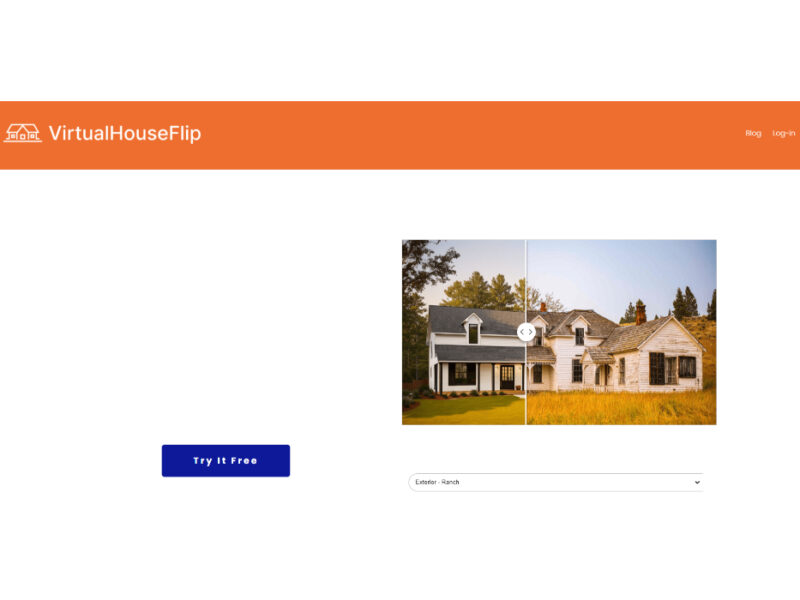
Virtual House Flip
Virtual House Flip is a groundbreaking tool that leverages artificial intelligence to revolutionize home remodeling. …

Realtor Blogs
Realtor Blogs is an AI-powered blogging tool tailor-made for real estate professionals. It addresses the …
Explore Related Categories
Live Preview:
Updates automatically with live stats
Copied to clipboard!