QR-ART
QR-ART: Transform QR Codes into Artistic Masterpieces: QR-ART is an AI-powered QR code design tool that revolutionizes the way QR codes are perceived and used. Created by Hussain Mustafa, this …
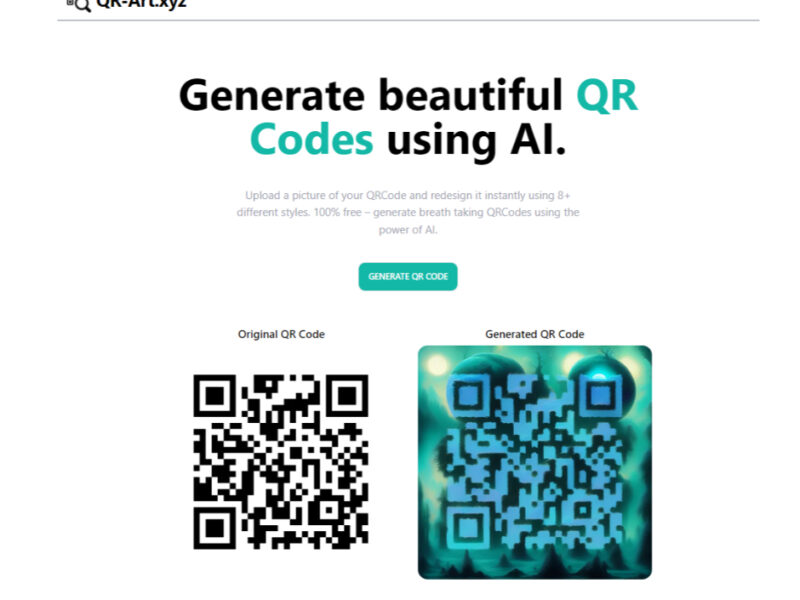
About QR-ART
Use Cases
Use Case 1: Seamless Brand Integration for Print Marketing
Problem: Traditional black-and-white QR codes often clash with high-end brand aesthetics, appearing as a "clunky" afterthought on professionally designed posters, flyers, or billboards. This can decrease the perceived value of a luxury or creative brand.
Solution: QR-ART allows marketers to generate codes that match the specific visual style, color palette, and texture of their campaign. By transforming the functional code into a piece of art, it becomes a native element of the design rather than a visual distraction.
Example: A high-end fashion brand creating a street-side billboard can use QR-ART to generate a code that looks like an oil painting or a fabric texture. The code leads to their digital catalog but blends perfectly with the artistic photography of the advertisement.
Use Case 2: High-Engagement Presentation Slides
Problem: Content creators and public speakers often include QR codes on their slides for live polls, feedback forms, or resource downloads. Standard QR codes can look jarring and "unplug" the audience from the visual narrative of the presentation.
Solution: Using the "Presentations" tag functionality, speakers can use QR-ART to create codes that mimic the theme of their slide deck (e.g., a "Cyberpunk" style for a tech talk or a "Minimalist" style for a corporate strategy deck).
Example: A tech lead presenting a new software architecture uses QR-ART to generate a code styled with "circuit board" patterns. When displayed on the final slide, it invites the audience to scan for the GitHub repository while maintaining the technical aesthetic of the talk.
Use Case 3: Interactive Retail Packaging and Unboxing
Problem: Retailers want to drive customers from physical products to digital loyalty programs or instruction manuals, but a large, ugly QR code on product packaging can negatively impact the "unboxing" experience.
Solution: Businesses can use QR-ART to design codes that look like decorative patterns, logos, or illustrations that complement the packaging material. This makes the "Call to Action" feel like a hidden feature or an invitation rather than a chore.
Example: A craft coffee roaster uses QR-ART to create a QR code that looks like a hand-drawn coffee bean illustration on the back of the bag. When scanned, it takes the customer to a video showing the specific farm where the beans were grown.
Use Case 4: Creative Resume and Business Cards for Designers
Problem: For developers and graphic designers, a standard QR code on a business card or portfolio can feel uninspired and fail to showcase their creative capabilities.
Solution: QR-ART acts as an image editing and generation tool that allows professionals to turn their contact information or portfolio link into a unique visual signature.
Example: A UI/UX designer creates a business card where the QR code is styled in a "Glassmorphism" or "Neumorphism" art style. This demonstrates their familiarity with current design trends before the potential employer even visits their website.
Key Features
- AI-driven QR code generation
- Artistic style transformation
- Custom aesthetic design tools
- Visual engagement optimization
- Integrated image editing features
- Presentation-optimized QR outputs
Similar Tools You Might Like
Discover more tools in the same category



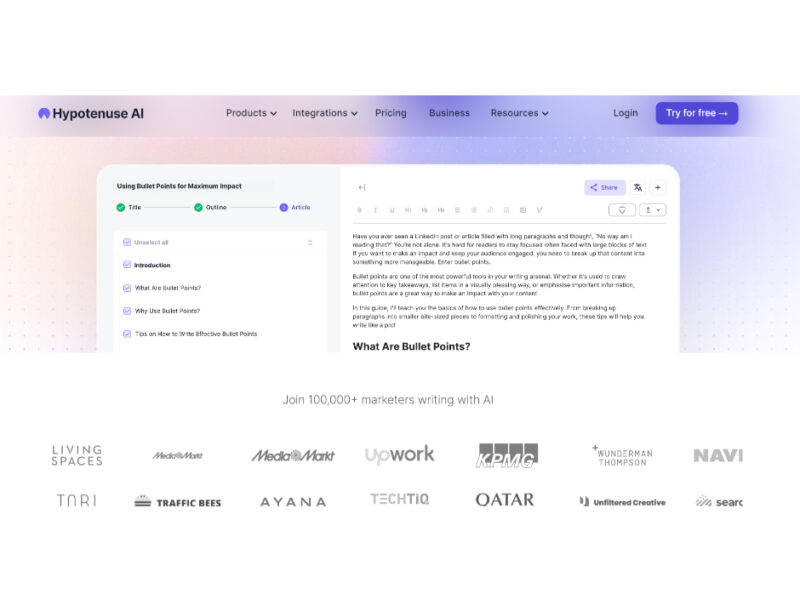
Hypotenuse ai
Hypotenuse AI is a state-of-the-art AI Writing Assistant and Text Generator designed to streamline and …
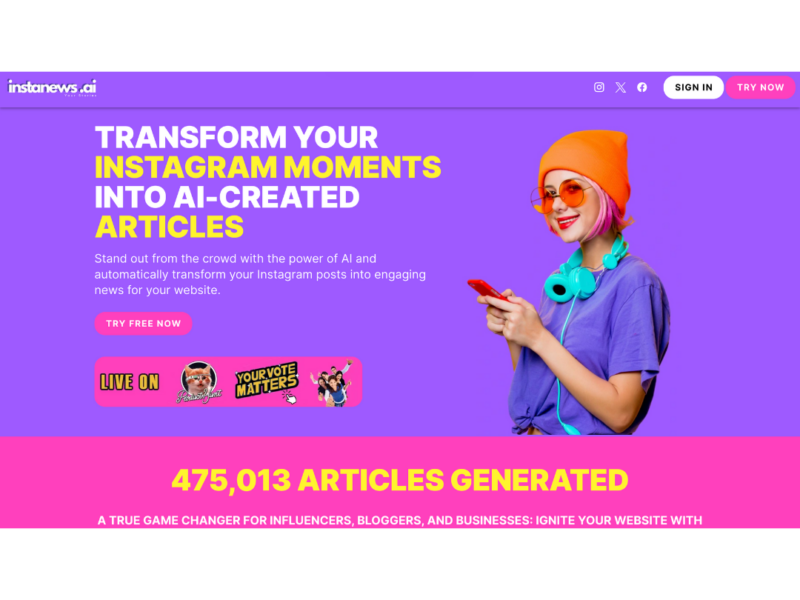

Live Preview:
Updates automatically with live stats
Copied to clipboard!