Paxton AI
Paxton AI stands as a transformative no-code platform designed to redefine how information is accessed and shared, particularly in the domain of regulatory law. This platform enables both technical and …
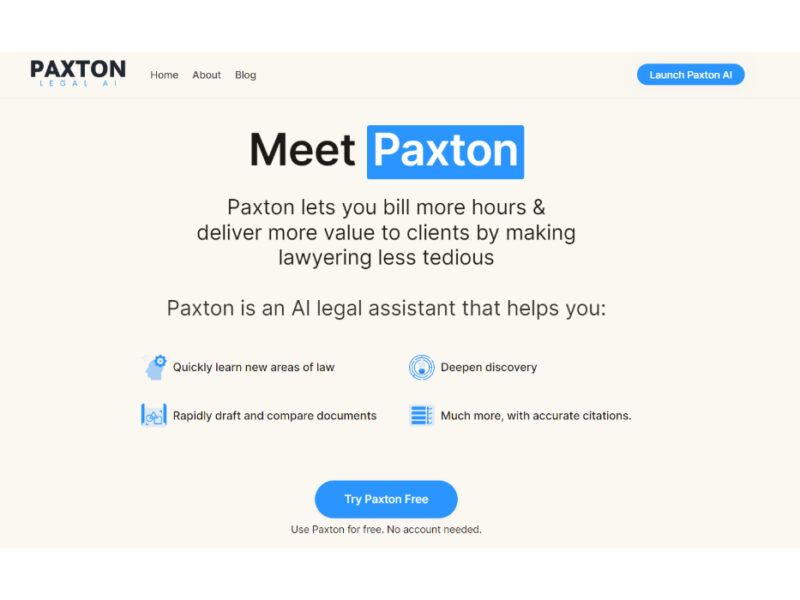
About Paxton AI
Use Cases
Use Case 1: Streamlining Corporate Contract Risk Assessment
Problem: In-house legal teams and business owners are often overwhelmed by dense vendor agreements or internal policy updates. Manually reviewing these documents for unfavorable clauses or compliance gaps is time-consuming and prone to human error.
Solution: Paxton AI’s Comprehensive Document Analysis allows users to upload large sets of text to identify "red flags" and potential issues instantly. It acts as a force multiplier, providing a high-level "first pass" review that highlights areas requiring professional scrutiny.
Example: A business executive uploads a new 40-page SaaS vendor contract. They ask Paxton to identify any sections that deviate from standard data privacy regulations or impose unfair liability. Paxton highlights the problematic clauses, allowing the executive to go straight to their legal counsel with specific concerns rather than paying for hours of manual review.
Use Case 2: Accelerating Personal Injury Claim Preparation
Problem: Personal injury attorneys must sift through mountains of medical records and billing statements to build a timeline of events. Manually creating medical chronologies and totaling billing for settlement demands can take days of administrative work.
Solution: Paxton AI features specialized tools for Medical Chronologies and Medical Billing Summaries. It can ingest hundreds of pages of medical data and organize them into a structured, chronological narrative of a client’s treatment and costs.
Example: A law firm receives 500 pages of hospital records for a car accident victim. They upload the files to Paxton, which generates a concise timeline of every doctor’s visit, surgery, and prescription, along with a totalized summary of all medical expenses to be used in a settlement demand letter.
Use Case 3: Overcoming Research Deadlocks in Litigation
Problem: Litigators often struggle with traditional "Boolean" search queries in databases like Westlaw or LexisNexis. If the syntax isn't perfect, they may miss the exact case law needed to support their argument, leading to hours of frustrated searching.
Solution: Paxton AI’s Contextual Research tool uses natural language processing, allowing lawyers to ask questions in plain English. It identifies relevant case law and regulations by understanding the "intent" and "context" of the legal issue rather than just matching keywords.
Example: An attorney struggling to find a specific precedent asks, "What are the latest rulings in New York regarding the 'duty of care' for sidewalk maintenance by commercial tenants?" Paxton returns a curated list of relevant cases and a summary of the current legal standard, bypassing the need for complex search strings.
Use Case 4: Rapid Drafting of Legal Memos and Correspondence
Problem: Transitioning from the research phase to the writing phase is often the most significant bottleneck for legal professionals. Starting from a blank page for every memo or brief slows down client delivery.
Solution: The Quick-Start Drafting tool serves as a "thought partner" and jumping-off point. It can take a set of facts and research insights to produce a structured first draft of a memo, letter, or policy document.
Example: A junior associate needs to write a memo regarding a new employment law regulation. They provide Paxton with the specific regulation and their research notes; Paxton generates a professional draft with a summary, analysis, and conclusion. The associate then spends their time refining the nuances rather than building the structure from scratch.
Key Features
- AI-powered legal document drafting
- Comprehensive legal document analysis
- Contextual case law research
- Automated medical chronology creation
- Medical billing summary generation
- Policy document issue identification
- Automated legal memo drafting
Similar Tools You Might Like
Discover more tools in the same category
Contractable
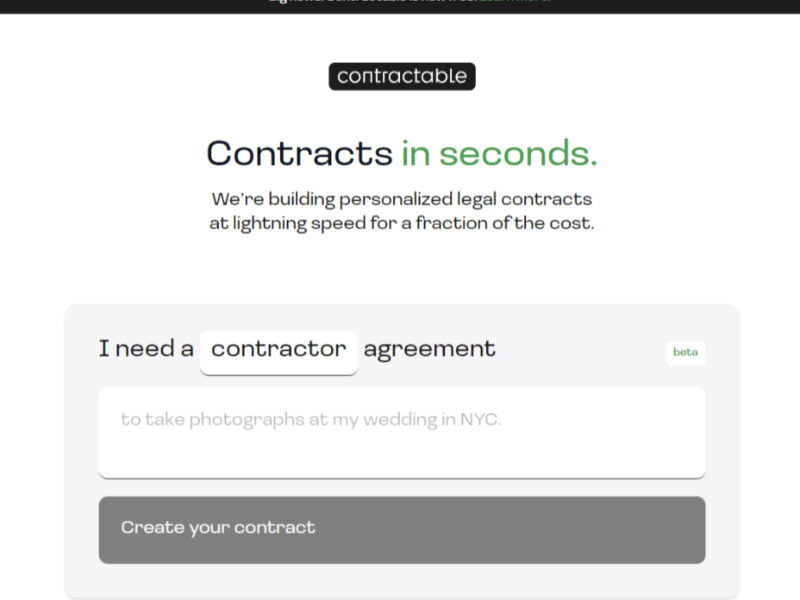
Contractable introduces an AI-powered revolution in contract creation, offering a simplified, personalized approach. This tool …
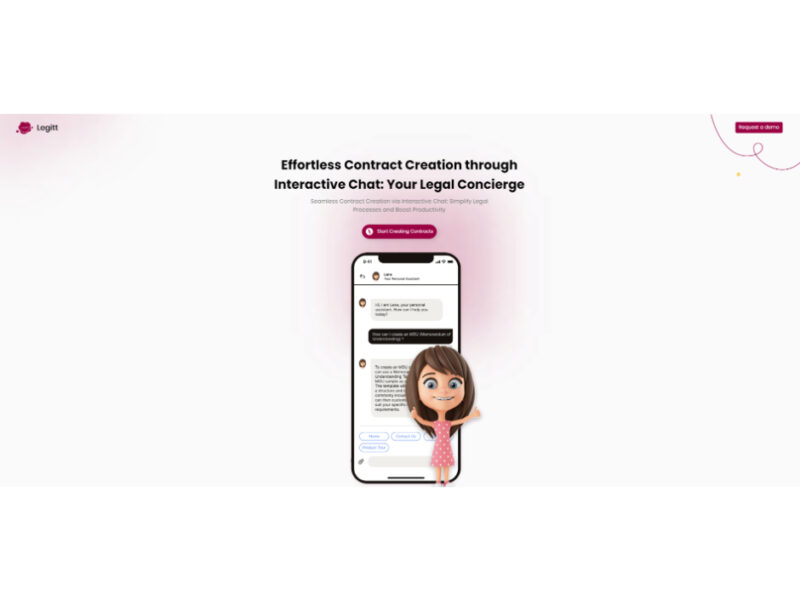
Chat2Contract
Streamline the contract management process effortlessly and without any sign-ups, all for free! Experience the …

SellFunded - Secure Deal Management Platform
SellFunded - Secure Deal Management Platform is an AI-powered comprehensive platform designed for founders navigating …
Explore Related Categories
Live Preview:
Updates automatically with live stats
Copied to clipboard!