Option Alpha
Option Alpha is an innovative trading platform that revolutionizes how traders approach the markets. By emphasizing data-driven strategies and automation, it eliminates much of the guesswork and emotional biases typically …
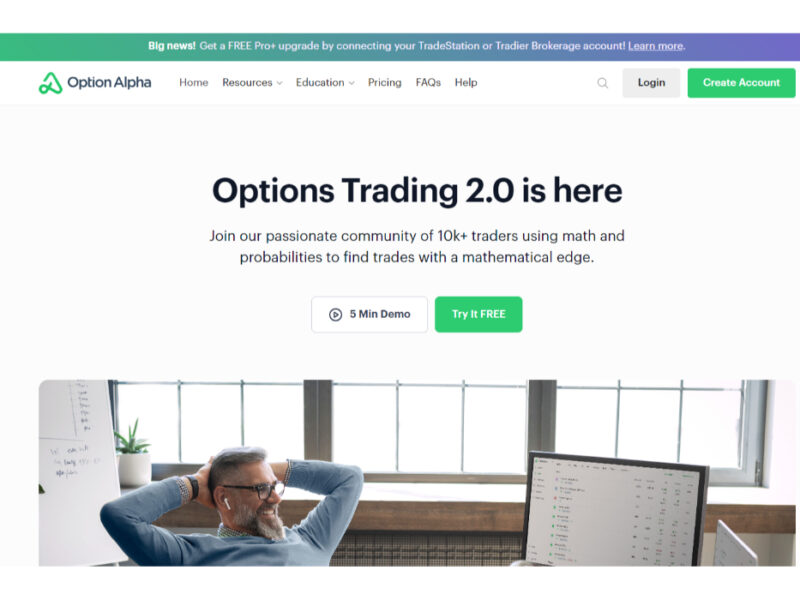
About Option Alpha
Use Cases
Use Case 1: Automating Exit Strategies for Busy Professionals
Problem: Individual traders who work full-time jobs cannot monitor the stock market every minute. This leads to missed opportunities to lock in profits or close losing positions before they spiral, as market volatility often occurs during work hours.
Solution: Option Alpha allows users to create "Bots" and "Automations" that act as a 24/7 virtual assistant. These bots monitor positions in real-time and execute trades automatically based on pre-set logic without requiring the user to be logged in.
Example: A trader sets up a bot to monitor a Credit Spread. They create an automation that tells the bot: "If the position reaches 50% of its maximum profit, close the trade immediately." The bot executes the exit at 10:30 AM while the trader is in a meeting, securing the gain.
Use Case 2: Data-Driven Validation for 0DTE (Same-Day) Trading
Problem: Trading options that expire the same day (0DTE) is high-risk, and standard probability models are often inaccurate for such short timeframes. Traders often rely on "gut feeling," which leads to inconsistent results.
Solution: The "0DTE Oracle" tool solves this by backtesting specific trade metrics against one year of intraday minute data. It provides the historical win rate and expected value (EV) for a specific setup before the trader enters the market.
Example: Before placing a 0DTE Iron Condor on the SPX, a trader runs the setup through the 0DTE Oracle. The tool shows that similar trades have a 65% success rate over the last year. Based on this math rather than a hunch, the trader decides to move forward with the trade.
Use Case 3: Eliminating "Analysis Paralysis" with Probability-Based Trade Ideas
Problem: With thousands of stocks and infinite option strike combinations, finding a high-probability trade that fits a specific risk profile is overwhelming and time-consuming.
Solution: The "Trade Ideas" engine continuously scans the market to find setups based on math and probabilities. It ranks trades by Expected Value (EV) and "Alpha" (the ratio of EV to Max Loss), allowing traders to filter for the most efficient use of their capital.
Example: A trader looking for a neutral strategy filters the "Trade Ideas" scanner for positions with a probability of profit higher than 70% and a capital requirement under $1,000. The tool instantly presents the top three ticker symbols and specific strike prices that meet those criteria.
Use Case 4: No-Code Strategy Backtesting for Quantitative Analysis
Problem: Most quantitative trading requires knowledge of Python or specialized coding languages to test if a strategy would have worked in the past. Non-technical traders are forced to trade "blind" or spend months learning to code.
Solution: Option Alpha provides a completely no-code backtesting environment. Traders can build a strategy using a visual interface and run unlimited tests against historical market data to see its performance, drawdowns, and win rates.
Example: A trader wants to see if selling "Stangles" on blue-chip stocks works better at 30 days to expiration or 45 days. They run two backtests in Option Alpha without writing a single line of code and discover the 45-day strategy has a significantly lower drawdown, leading them to adjust their live trading plan.
Use Case 5: Visualizing Market Expectations for Earnings Events
Problem: Trading around earnings is volatile because the "implied move" (how much the market thinks the stock will jump) is hard to visualize against historical price ranges.
Solution: The platform’s visualization tools project future price ranges based on current options pricing and overlay earnings dates and "max pain" points (the price where the most options contracts expire worthless).
Example: Ahead of a tech company's earnings report, a trader uses the visualizer to see the "market-projected range." They see that the market expects a 5% move, but their own research suggests a smaller move. They use the interactive payoff diagram to build a "Butterfly Spread" that stays profitable as long as the stock stays within that projected visual range.
Key Features
- No-code automated trading bots
- Real-time automated position monitoring
- Proprietary 0DTE Oracle backtesting
- Math-driven trade idea generation
- Interactive options payoff visualization
- Live-data paper trading simulator
- Multi-broker automated order execution
- Cloud-based strategy automation engine
Similar Tools You Might Like
Discover more tools in the same category
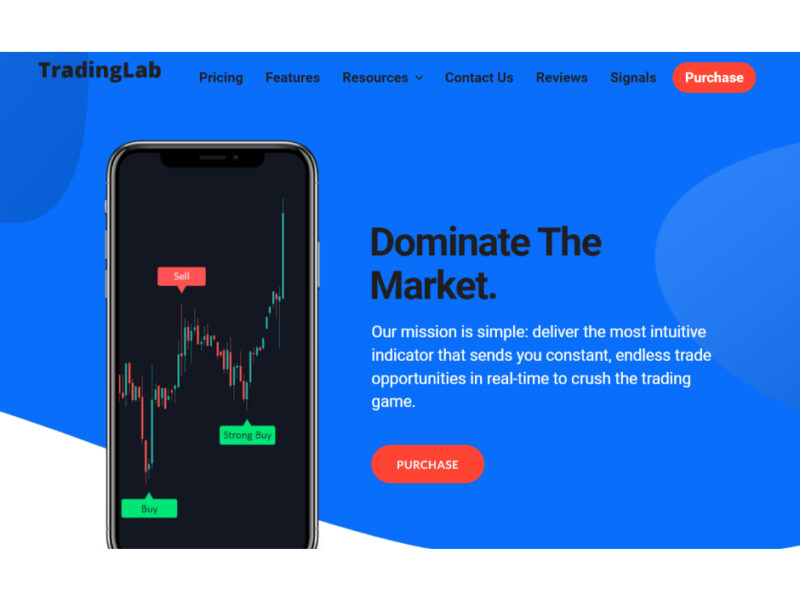
TradingLab
TradingLab is a comprehensive trading platform designed to offer traders real-time trade opportunities and a …
Geldhelden.AI
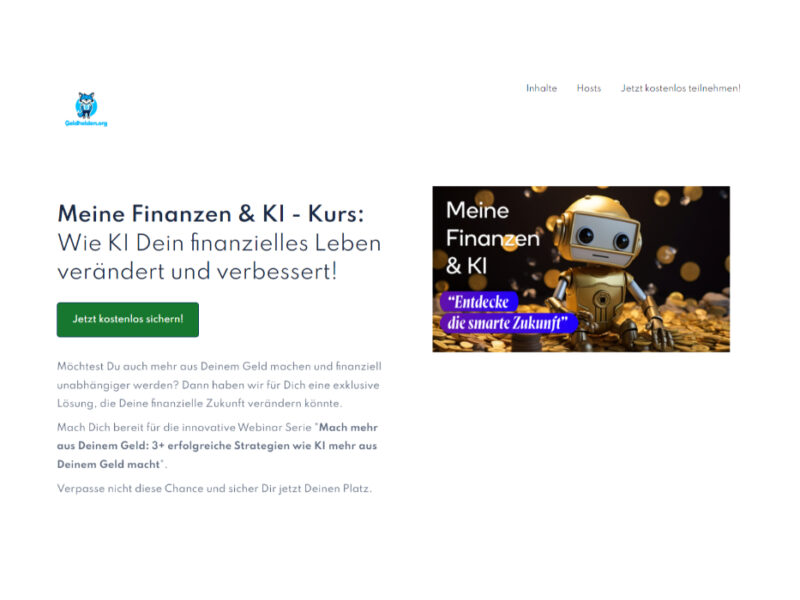
Geldhelden.AI is an innovative AI-powered financial coaching tool designed to guide users towards financial freedom. …
Explore Related Categories
Live Preview:
Updates automatically with live stats
Copied to clipboard!