Noah
Noah is a highly advanced AI work assistant, designed to seamlessly integrate into your daily workflow by connecting with popular platforms like Google Drive and Notion. This AI tool is …
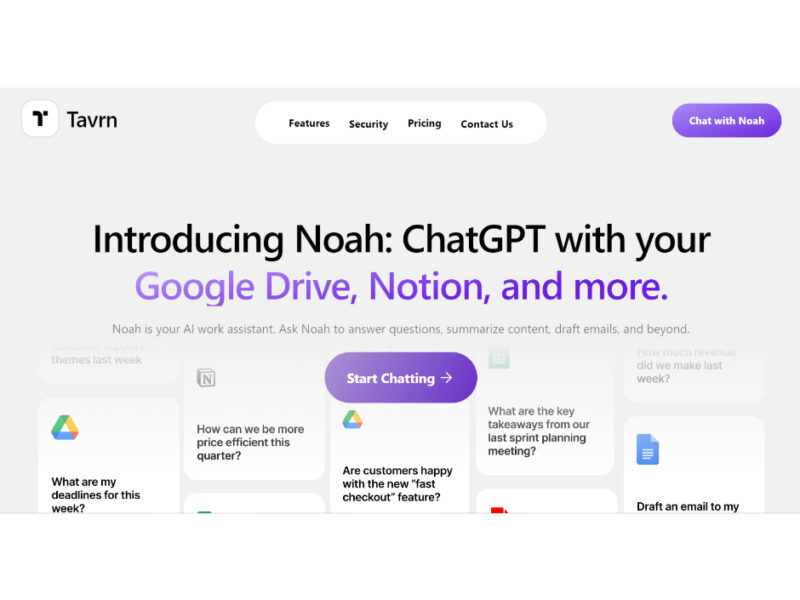
About Noah
Use Cases
Use Case 1: Rapid Triaging of Personal Injury Leads
Problem: Personal injury firms often receive a high volume of inquiries, many of which lack the necessary merit or damages to pursue. Manual review of every intake form is time-consuming, causing delays that may lead high-value clients to sign with competitors.
Solution: Tavrn uses advanced AI to assess potential case value and extract critical facts from client intakes in real-time. It automatically surfaces the strongest claims and filters out low-quality leads, allowing the firm to prioritize high-impact opportunities immediately.
Example: A firm receives 50 new digital intake forms over a weekend. On Monday morning, instead of reading through every form, the intake manager opens Tavrn to find the top 5 cases flagged as "High Value" based on the extracted medical facts and liability details, allowing the firm to sign the best clients before lunch.
Use Case 2: Accelerating Medical Malpractice Discovery
Problem: Medical malpractice cases often involve thousands of pages of dense, unorganized hospital records. Paralegals can spend weeks manually creating a timeline of events, which creates a massive bottleneck in case development.
Solution: Tavrn’s Medical Chronology tool transforms massive PDF files into structured, hyperlinked overviews in less than 24 hours. It highlights specific diagnoses, treatment sequences, and key providers, while the eDiscovery engine reduces review time by up to 80% by automatically tagging relevant content.
Example: An attorney uploads 2,000 pages of messy hospital records from a complex surgical error case. Within 24 hours, Tavrn delivers a structured chronology that links every event directly to the source page in the records, allowing the attorney to instantly identify the exact moment a treatment protocol was missed.
Use Case 3: Streamlining the Settlement Process with AI-Drafted Demands
Problem: Writing persuasive, evidence-backed demand letters is a labor-intensive process. Attorneys often have the evidence needed but struggle to find the time to compile medical facts, treatment costs, and injury descriptions into a professional document, delaying the settlement phase.
Solution: Tavrn’s Demand Generation module pulls directly from the processed medical records and case facts to draft tailored, professional demand letters. It highlights injuries and damages with precision, turning raw records into structured arguments designed to maximize settlement value.
Example: Once a client finishes their treatment, a paralegal uses Tavrn to generate a demand letter. The AI automatically pulls the specific diagnoses and total treatment costs from the already-completed chronology. The attorney reviews the draft, makes minor adjustments, and sends it to the insurance adjuster just hours after the file was "settlement ready."
Use Case 4: Hands-Off Medical Record Acquisition
Problem: Legal staff spend a significant portion of their week calling medical providers, sending faxes, and tracking down missing records. This administrative burden distracts from higher-value legal work and frequently stalls case progress for weeks or months.
Solution: Tavrn provides an automated Record Retrieval system that manages the entire lifecycle of a request. Using agentic workflows, the platform communicates with thousands of providers nationwide and tracks statuses in real-time, delivering organized files directly to the case folder.
Example: A law firm needs records from four different hospitals and two specialists for a single case. Instead of the legal assistant making six separate phone calls and tracking faxes, they submit one request in Tavrn. The platform automatically handles the follow-ups and notifies the team when the complete, organized records have been uploaded to the case file, saving an average of 12 days in turnaround time.
Key Features
- AI-powered case value assessment
- Automated medical record retrieval
- Structured medical chronology generation
- AI-drafted tailored demand letters
- Automated evidence tagging and extraction
- Hyperlinked evidentiary source citations
- Agentic record retrieval workflows
- Real-time client lead triaging
Similar Tools You Might Like
Discover more tools in the same category
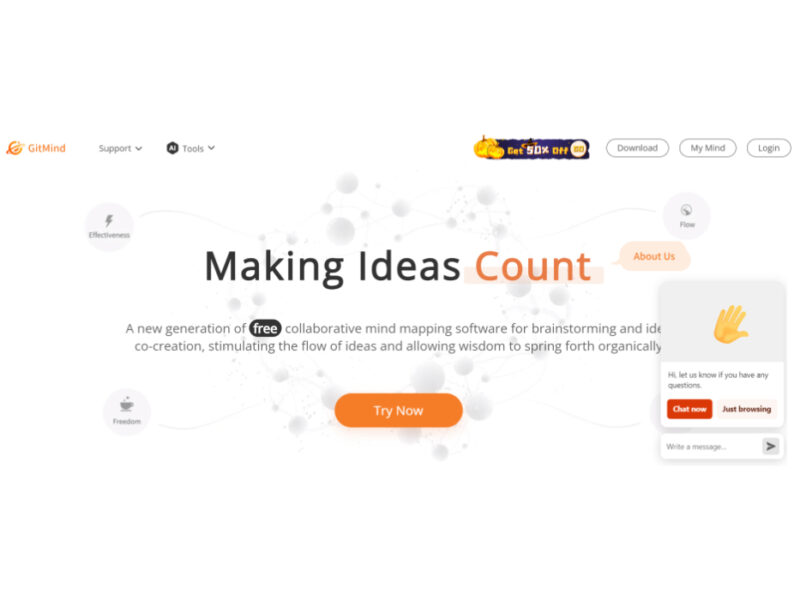
GitMind AI
GitMind is a dynamic and free collaborative mind-mapping software that serves as a powerful tool …
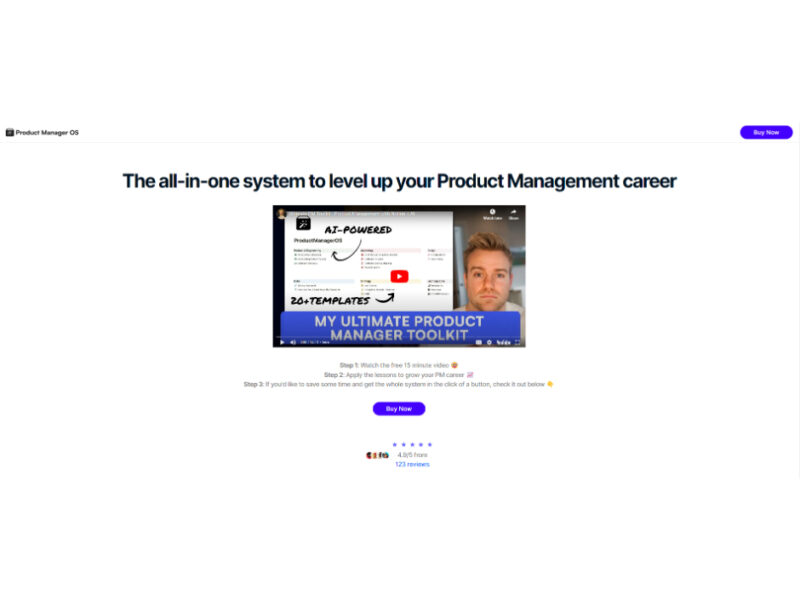
Product Manager OS
Product Manager OS is a comprehensive AI-powered toolkit specifically crafted for Product Managers, designed to …
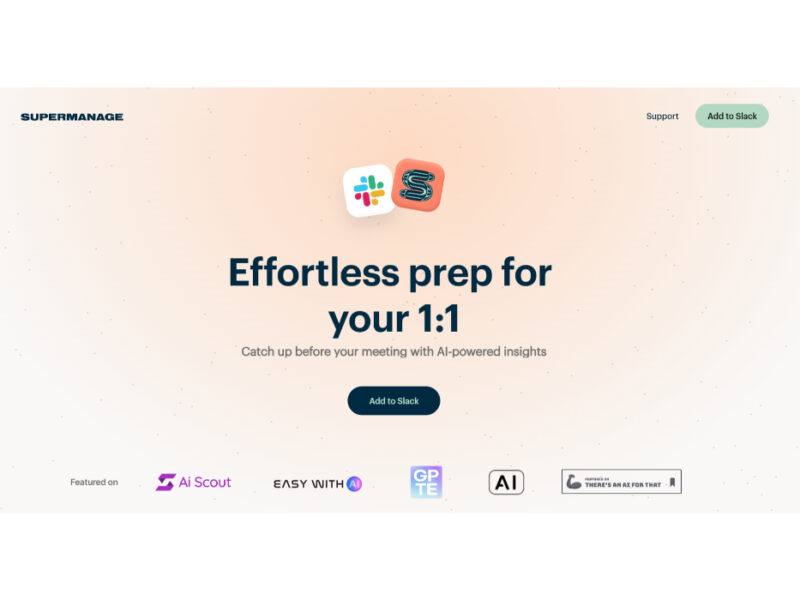
Supermanage AI
Supermanage AI is an innovative tool leveraging AI to revolutionize the managerial experience. It focuses …
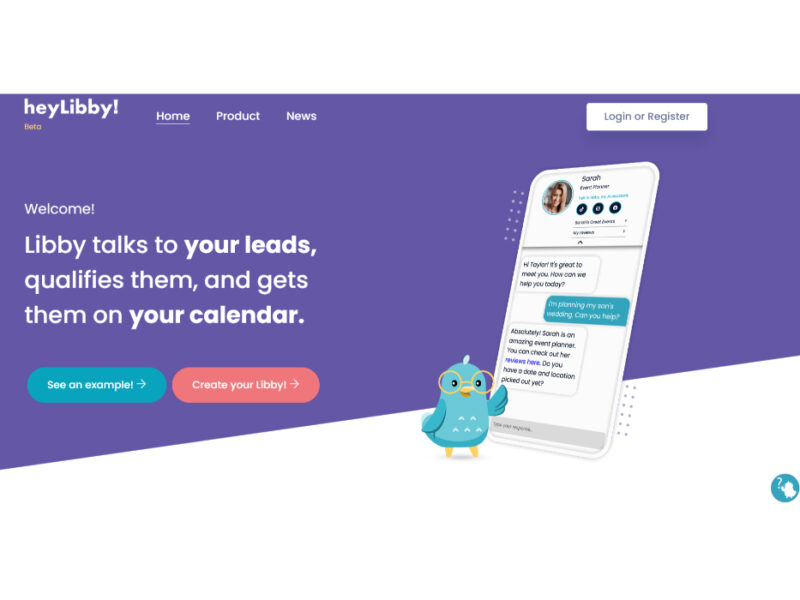
Heylibby.ai
HeyLibby! is a dynamic lead qualification and scheduling tool designed to streamline the lead management …
Live Preview:
Updates automatically with live stats
Copied to clipboard!