Nabla
Nabla Copilot is an innovative tool designed for healthcare professionals to streamline clinical documentation. It effortlessly generates clinical notes from both in-person and video consultations in just seconds. With thousands …
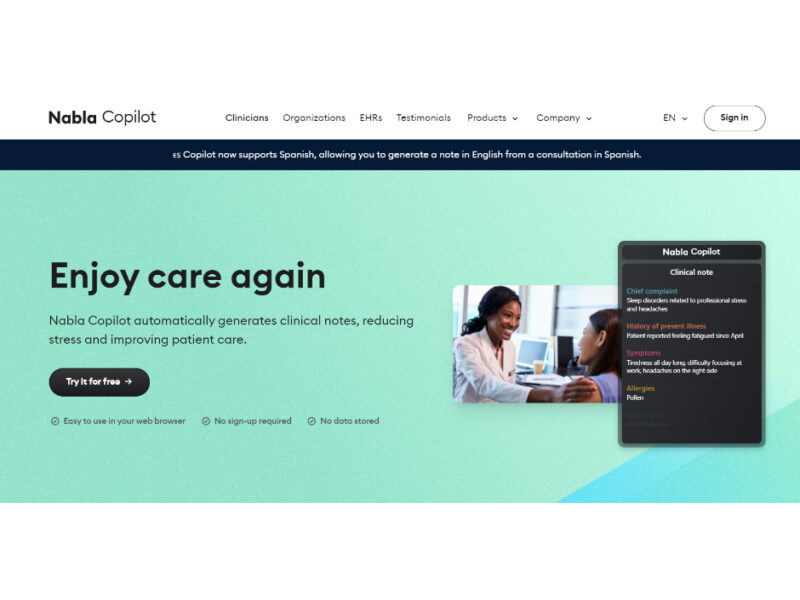
About Nabla
Use Cases
Use Case 1: Automated Clinical Documentation for High-Volume Outpatient Clinics
Problem: Clinicians in high-volume settings, such as Family Medicine or Pediatrics, often spend hours after their shift completing patient charts (known as "pajama time"). This leads to administrative burnout and reduces the number of patients they can see in a day.
Solution: Nabla uses ambient AI to listen to the patient-clinician conversation in real-time. It automatically filters out small talk and transforms the clinical dialogue into a structured medical note (SOAP note) without the doctor having to type during the visit.
Example: A Family Medicine physician sees 25 patients in a day. Instead of typing notes between appointments, the physician leaves Nabla running on their device. By the end of each 15-minute visit, a draft note is ready for review. This saves the physician over an hour of documentation time daily, allowing them to finish work on time or add 1-2 extra appointments to their schedule.
Use Case 2: Enhancing Patient Engagement in Telehealth Sessions
Problem: During telehealth consultations, clinicians often look at their keyboard or a second screen to take notes, which creates a "digital barrier." This lack of eye contact can make patients feel unheard and weakens the therapeutic alliance, especially in mental health or sensitive oncology consultations.
Solution: Nabla integrates into the telehealth workflow to act as a "silent scribe." Because the AI handles the documentation, the clinician can maintain full visual engagement with the patient, relying on the tool to capture specific symptoms, medication changes, and follow-up plans.
Example: A mental health professional conducts a 45-minute therapy session via video call. Instead of constantly looking down to record observations, they maintain eye contact and active listening. Nabla captures the session's nuances and generates a structured summary that is automatically synced to the patient’s Electronic Health Record (EHR).
Use Case 3: Specialized Documentation for Multi-Disciplinary Health Systems
Problem: A "one-size-fits-all" AI note-taker often fails to capture the specific terminology or formatting required for different medical specialties, such as Cardiology, Orthopedics, or Dentistry. This forces specialists to manually rewrite AI-generated notes to fit their professional standards.
Solution: Nabla provides specialty-specific AI models and "Custom Instructions" or "Dot Phrases." This allows different departments within a large health system to tailor the AI’s output to their specific clinical needs, ensuring the documentation reflects the relevant diagnostic criteria for their field.
Example: In an Orthopedic clinic, a surgeon uses Nabla’s custom formatting to ensure that physical exam findings (like range of motion or joint stability) are always presented in a specific bulleted list. The AI recognizes the orthopedic context and uses the surgeon’s preferred medical shorthand, reducing the need for manual edits.
Use Case 4: Seamless EHR Integration for Health Tech Developers and Organizations
Problem: Health systems often hesitate to adopt new AI tools because they don't want to deal with "copy-paste" workflows between a third-party app and their primary Electronic Health Record (EHR) system, which can lead to data errors and workflow friction.
Solution: Nabla is built to integrate directly into leading EHR vendors. For developers and IT leaders at healthcare organizations, this means the tool embeds into the existing clinical interface, ensuring that generated notes flow directly into the patient's legal medical record securely.
Example: A hospital’s IT department deploys Nabla across 150 health organizations. Because Nabla is HIPAA compliant and integrates via API or direct embedding into the EHR, clinicians simply click a "Generate Note" button within their familiar patient chart. The data is transferred instantly, maintaining a secure, single source of truth for patient data without storing audio on the device.
Key Features
- Ambient AI clinical documentation
- Specialty-specific medical templates
- Seamless EHR system integration
- Multilingual note generation support
- Customizable dot phrases and formatting
- Agentic AI clinical nudges
- Cross-setting inpatient and telehealth support
Similar Tools You Might Like
Discover more tools in the same category
Whisper AI
Experience the ultimate in hearing aid technology with our cutting-edge, AI-powered hearing aid that effortlessly …
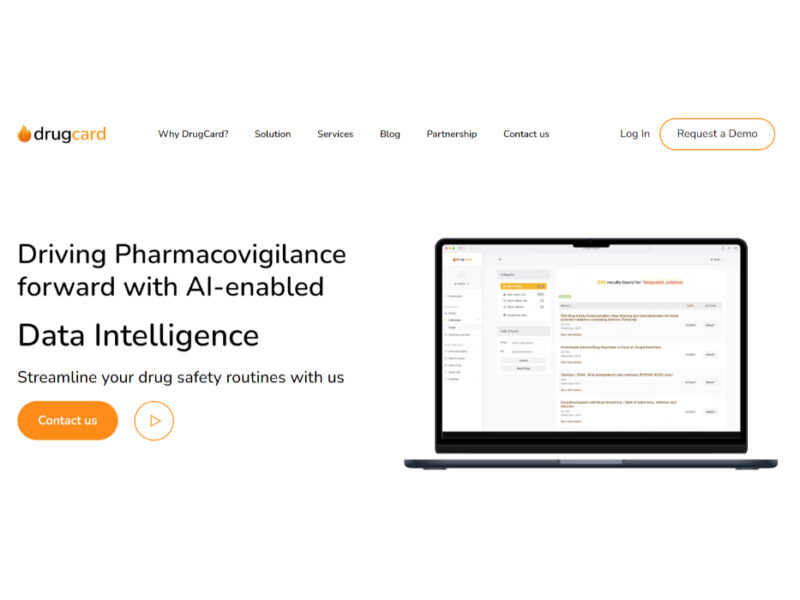
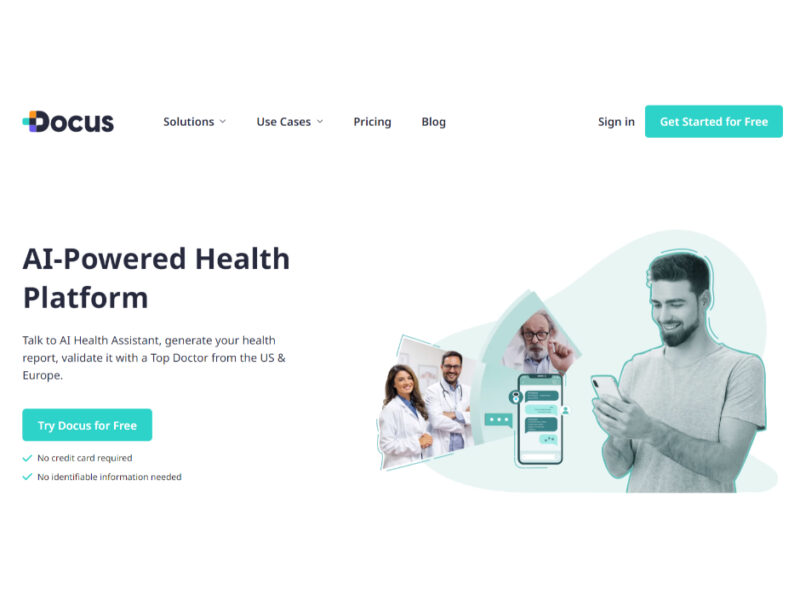
FindYourTriggers
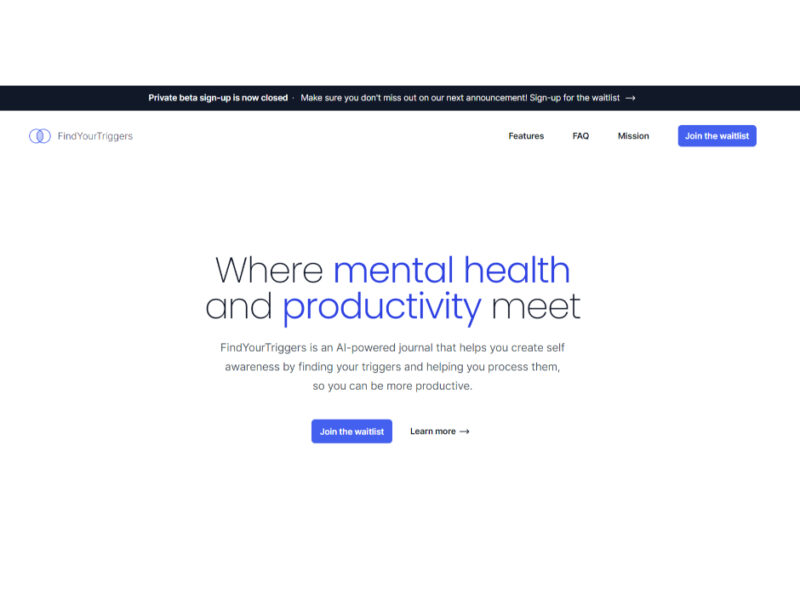
FindYourTriggers revolutionizes the journaling experience by blending AI technology with personal introspection. Designed as a …
Facial Assessment Tool
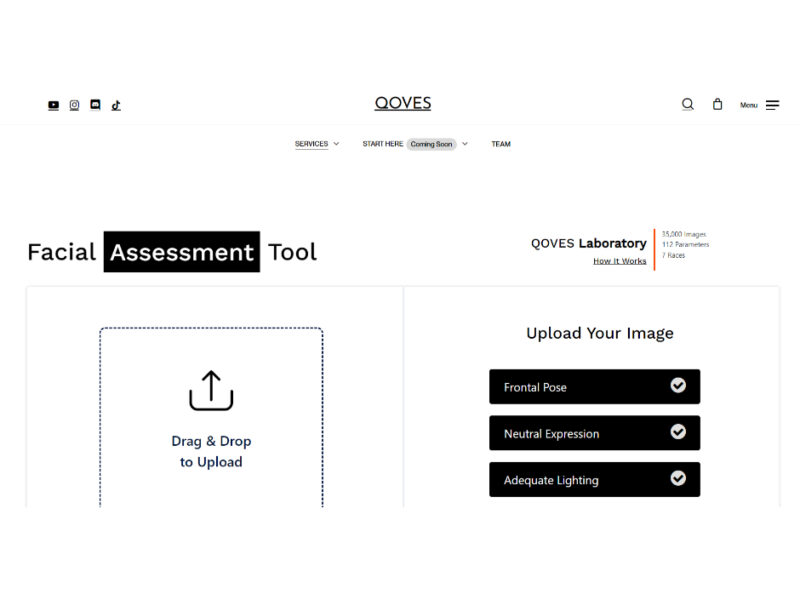
QOVES Facial Assessment Tool is an advanced AI-powered platform that provides a comprehensive analysis of …
Explore Related Categories
Live Preview:
Updates automatically with live stats
Copied to clipboard!