Emma AI
Emma is an AI-powered assistant builder utilizing OpenAI’s GPT-3.5 technology. It’s designed to help users efficiently access and manage data, integrate with various platforms, and streamline communication processes. Emma offers …
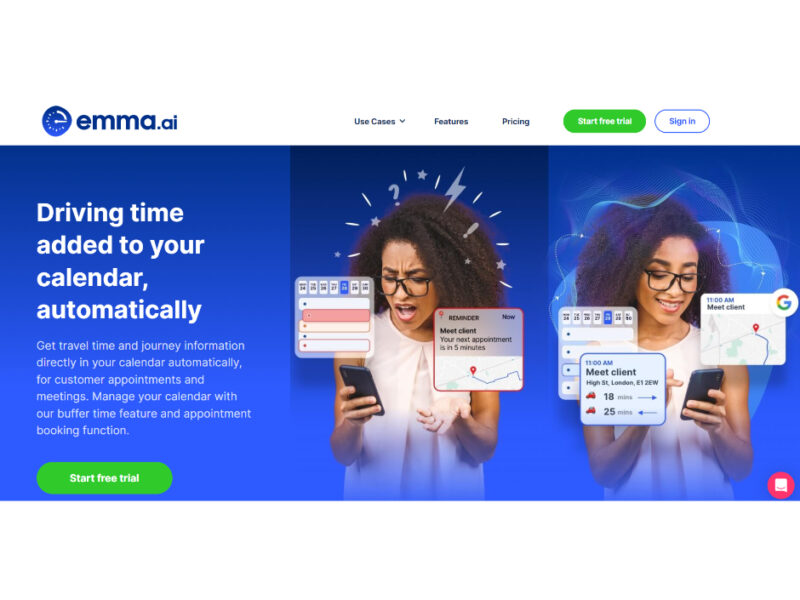
About Emma AI
Use Cases
Use Case 1: Multimedia Content Creation for Marketers
Problem: Creating a comprehensive marketing campaign requires multiple specialized tools—one for copy, one for visuals, and one for audio. Managing separate subscriptions for Midjourney, ChatGPT, and Suno is expensive and creates a fragmented workflow.
Solution: Emma AI consolidates these top-tier models into a single workspace with a unified credit system. Marketers can generate high-quality assets without switching tabs or managing multiple billing cycles, significantly reducing overhead costs.
Example: A social media manager uses Claude to draft a long-form brand story, switches to Midjourney to generate consistent visual assets for the post, and uses Suno to create a 30-second catchy jingle for the accompanying video—all within the Emma interface using one "Pro" subscription.
Use Case 2: Fact-Checked Research and Technical Writing
Problem: Standard AI models often hallucinate or lack access to real-time data, while search-based AIs might lack the sophisticated reasoning needed for long-form synthesis.
Solution: By offering both Perplexity (for sourced search) and Claude (for long-text processing), Emma allows researchers to verify facts and synthesize them into complex documents in one secure environment.
Example: A business analyst uses Perplexity to find the latest real-time market statistics and citations for a quarterly report. They then switch to Claude to ingest those facts and draft a 20-page comprehensive analysis, ensuring the data is both current and well-structured.
Use Case 3: Developer Prompt Benchmarking and Prototyping
Problem: Developers building AI-integrated apps need to test how different models (like GPT-4, Llama, and Gemini) handle specific logic or code snippets to find the most cost-effective and accurate option.
Solution: Emma provides a "Low-code/No-code" environment where developers can quickly switch between open-source models (Llama) and proprietary models (GPT, Gemini) to compare outputs side-by-side without setting up individual API environments for each.
Example: A developer pastes a complex Python debugging prompt into ChatGPT to see the logic, then runs the same prompt through Llama to see if a smaller, open-source model can handle the task equally well, helping them decide which API to integrate into their final product.
Use Case 4: Real-Time Social Media Trend Analysis
Problem: Content creators need to stay ahead of fast-moving trends, but most AI models have a "knowledge cutoff" and cannot see what is happening on the internet right now.
Solution: Emma includes access to Grok, which is known for real-time information access, alongside creative models for immediate execution.
Example: A news creator uses Grok to identify a breaking tech trend on X (formerly Twitter). They immediately use Gemini to summarize the technical implications of the news and then use Midjourney to create an eye-catching "breaking news" graphic for their newsletter.
Use Case 5: Secure Cross-Device Workflow for Remote Teams
Problem: Creative professionals often start work on a desktop but need to review or make quick edits on the go. Additionally, there are concerns about data privacy when using free or unofficial AI mirrors.
Solution: Emma offers enterprise-grade infrastructure with strict data protection (conversations are not used for training) and seamless cross-device sync across desktop, tablet, and mobile.
Example: An architect uses the desktop version of Emma to generate conceptual renders with Midjourney at the office. While commuting, they use the Emma mobile app to access their history, refine the project description using Claude, and share the updated prompts with their team instantly.
Key Features
- Unified multi-model workbench
- Single-credit billing system
- Cross-device history synchronization
- Multimodal AI content generation
- Official API-driven model access
- Region-independent global availability
- Private data security protocols
Similar Tools You Might Like
Discover more tools in the same category
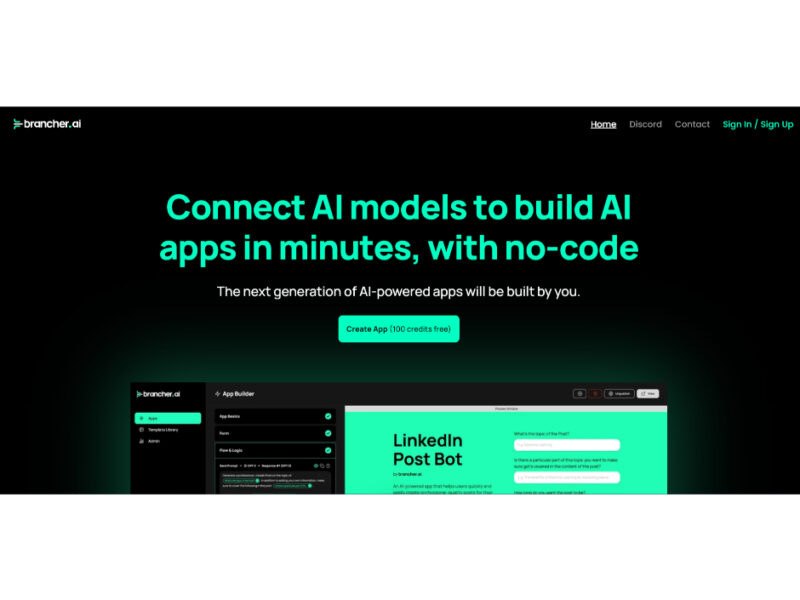
Brancher AI
Brancher.ai is a groundbreaking platform that enables users to create and share AI-powered applications without …
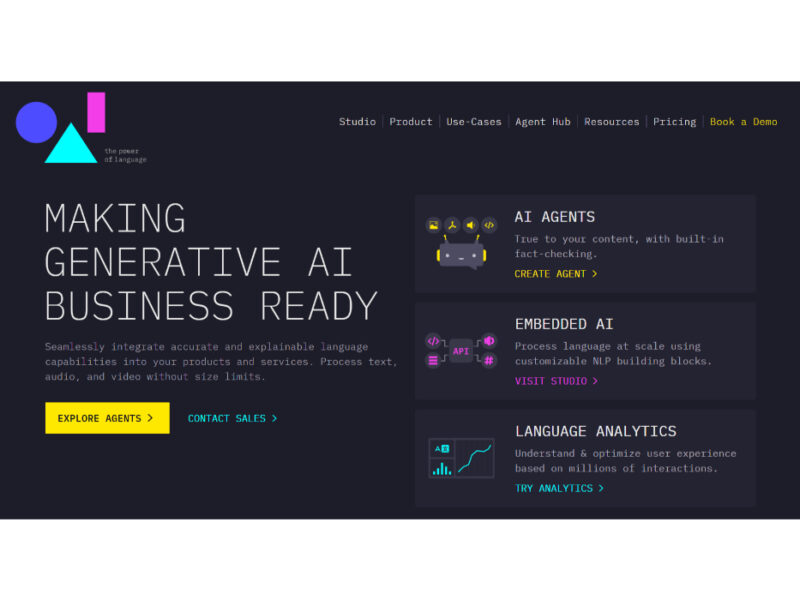
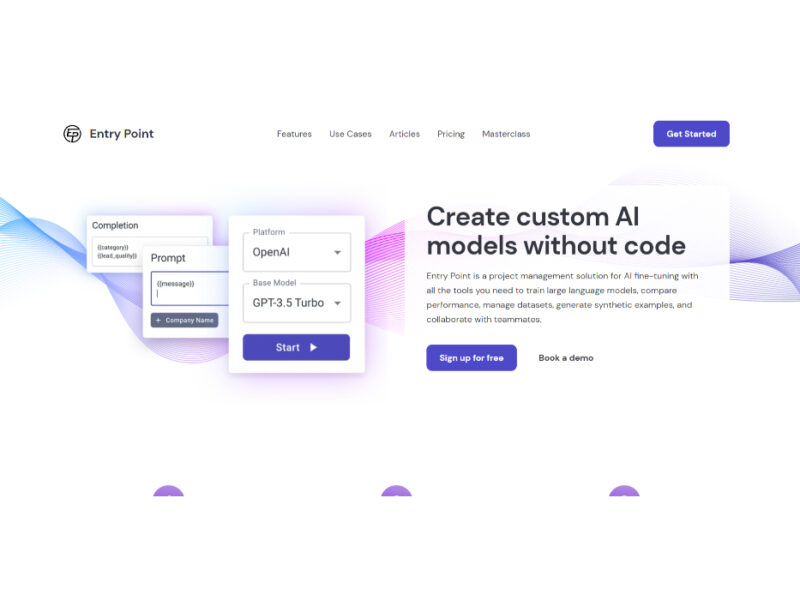
Entry Point
Entry Point is a groundbreaking platform that democratizes the use of artificial intelligence for businesses …
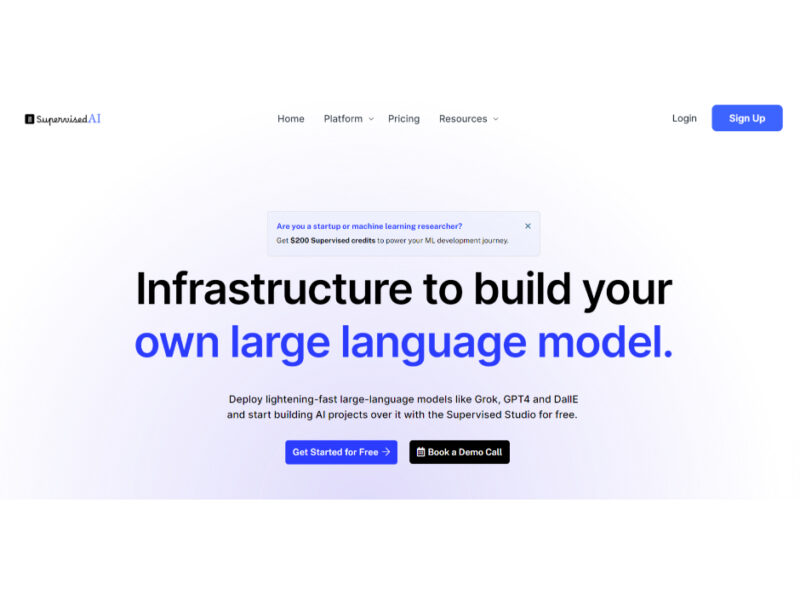
Supervised AI
Supervised AI is an innovative AI development platform designed to enable both enterprises and individual …
Explore Related Categories
Live Preview:
Updates automatically with live stats
Copied to clipboard!