Context
Context is a cutting-edge AI-powered search engine specifically designed for content enthusiasts and creators. It revolutionizes the way users explore and discover content on platforms like YouTube, particularly focusing on …
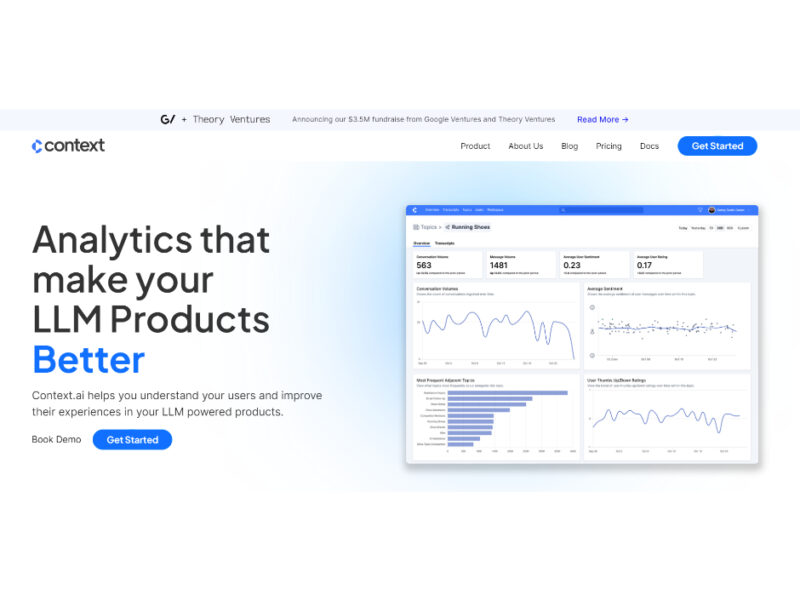
About Context
Use Cases
Use Case 1: Rapid Strategic Synthesis for Consulting
Problem: Strategy consultants often spend dozens of hours manually gathering market data, internal financial reports, and competitor benchmarks before they can even begin the actual "strategy" work of building a client deck.
Solution: Context uses its 200+ connectors to bridge internal company data with external market research. It automates the heavy lifting of data synthesis, modeling, and slide generation, allowing consultants to move straight to high-level advisory.
Example: A consultant uses Context to pull the last three years of a retail client’s financial performance alongside current industry trends. They prompt the tool to "Create a 10-slide strategy deck for 2026 growth opportunities," and Context generates the data-backed slides, complete with charts and recommendations.
Use Case 2: Automated Legal Discovery and Risk Flagging
Problem: Legal teams are often buried under hundreds of documents or historical cases when preparing for litigation or conducting due diligence. Identifying specific risk patterns across thousands of pages is prone to human oversight.
Solution: Context acts as an intelligent legal search engine and researcher. It can ingest vast amounts of case law and internal contracts, identify specific risks or patterns, and draft ready-to-use briefings.
Example: During a contract review process, a lawyer uses Context to scan 500+ historical agreements to identify inconsistent liability clauses. Context flags the outliers and drafts a legal briefing summarizing the potential risks and suggested remediation steps.
Use Case 3: Data-Driven R&D and Experimental Design
Problem: In biotechnology and data science, there is a massive gap between generating experimental data and turning that data into actionable research plans or regulatory reports.
Solution: Context integrates directly with data analysis tools and spreadsheets. It can process complex experimental datasets, perform statistical analysis, and output research-ready models or experiment plans for the next phase of development.
Example: A biotech researcher uploads raw experimental results from a recent trial. Context performs the statistical interpretation, identifies which variables were most successful, and generates a structured experiment plan for the following week to optimize those variables.
Use Case 4: Full-Cycle Marketing Campaign Management
Problem: Marketing managers often have to jump between research tools, creative briefs, design software, and performance spreadsheets, leading to fragmented workflows and slow experimentation.
Solution: Context provides a single workspace where marketing teams can conduct research, generate creative variations, and forecast performance metrics simultaneously using integrated data.
Example: For a new product launch, a marketer uses Context to generate three distinct flyer concepts based on target demographic data. Simultaneously, Context uses historical performance data from the company's CRM to forecast the click-through rate and ROI for each concept.
Use Case 5: Investment Diligence for Venture Capital
Problem: VC associates need to form a "conviction" quickly by researching market signals, competitive landscapes, and technical viability, which usually requires juggling dozens of browser tabs and disparate documents.
Solution: Context’s "Any Agent for any task" capability allows investors to select specialized models to perform deep-dive sourcing and market evaluation. It summarizes complex market signals into tight, actionable snapshots.
Example: An investor investigating a warehouse-automation startup uses Context to pull all recent news, patent filings, and competitor funding rounds. Context generates a "Diligence Snapshot" memo that highlights the startup’s competitive advantages and potential market pitfalls, speeding up the decision-making process.
Key Features
- Unified AI workspace environment
- 200+ native system connectors
- Customizable AI model selection
- Industry-specific execution scaffolds
- Multi-format professional deliverable generation
- Single subscription multi-model access
Similar Tools You Might Like
Discover more tools in the same category
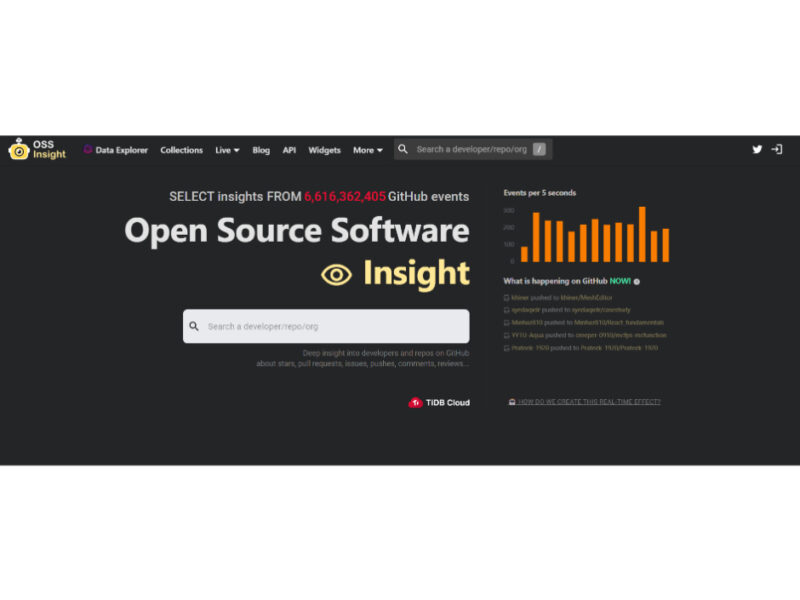
OSS Insight
Discover the power of our cutting-edge GPT-powered querying tool, designed specifically for GitHub live data …
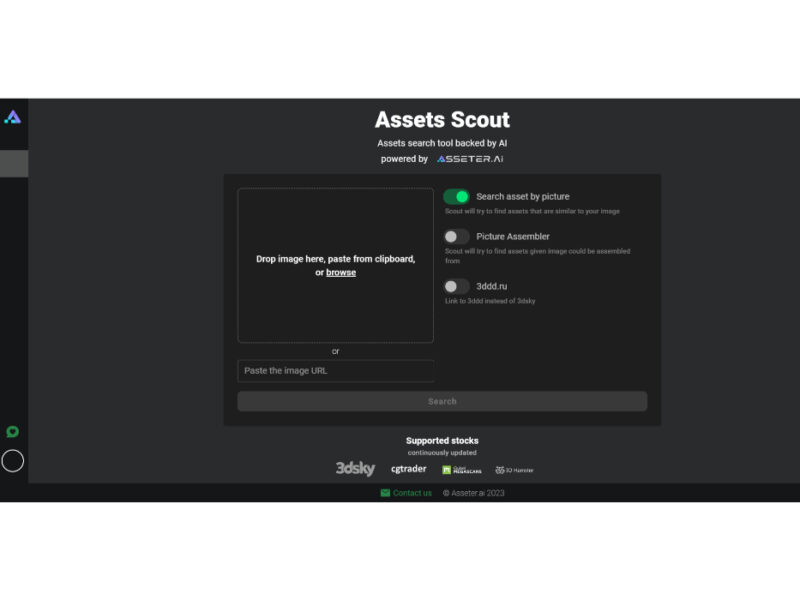
Scout.Asserter.AI
Introducing Scout by Asseter.ai: Unveiling a Groundbreaking New Era in 3D Asset Discovery and Exploration. …
Browser AI
Browser AI, integrated into Opera Browser, enhances browsing by providing instant AI assistance and up-to-date …
One More AI
Discover a vast collection of AI-generated stock images with thousands of stunning pics to choose …
Explore Related Categories
Live Preview:
Updates automatically with live stats
Copied to clipboard!