BerriAI-litellm
BerriAI-litellm is a compact and efficient tool designed to streamline the process of working with various AI platforms, including OpenAI, Azure, Cohere, and Anthropic. This lightweight package, consisting of just …
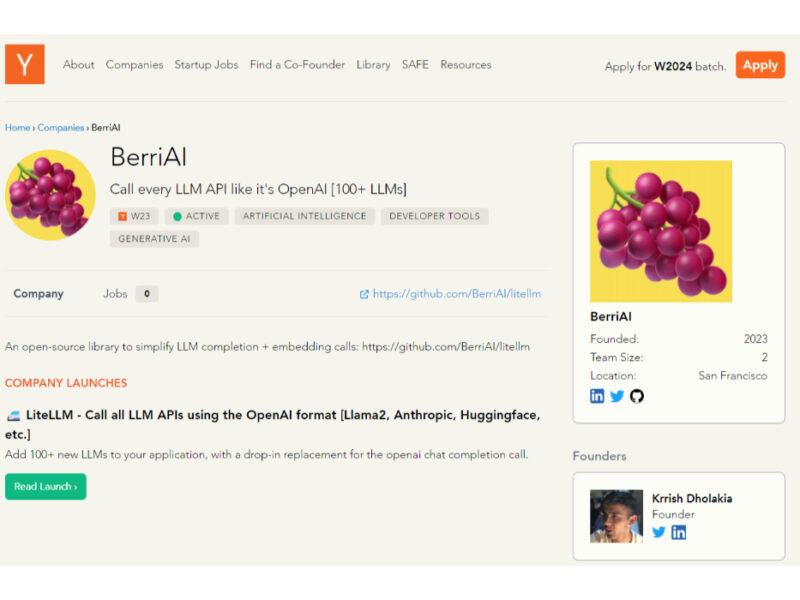
About BerriAI-litellm
Use Cases
Use Case 1: Implementing Multi-Model Fallbacks for High Availability
Problem: Applications relying on a single LLM provider (like OpenAI) are vulnerable to downtime, rate limits, or regional outages. Writing custom "if/else" logic to switch to a secondary provider (like Anthropic or Azure) manually requires significant code overhead and different SDK implementations for every fallback.
Solution: LiteLLM allows developers to implement model fallbacks with a single line of code. Because it standardizes the input and output format across 100+ providers, you can define a list of models to attempt in sequence without writing provider-specific error handling logic for each.
Example: A developer sets up a production chatbot to first attempt a request using gpt-4. If the request fails due to a 429 (Rate Limit) or 500 (Server Error), LiteLLM automatically tries claude-3-opus and then bedrock/llama3 until a successful response is received.
Use Case 2: Standardizing Legacy OpenAI Codebases for New Providers
Problem: Many companies built their initial AI features using the OpenAI SDK. If they now want to move to Azure for enterprise security, or use a cheaper open-source model via Replicate or Hugging Face, they would normally have to refactor their entire codebase to accommodate different API structures and SDKs.
Solution: LiteLLM acts as a drop-in replacement that mimics the OpenAI API format. Developers can keep their existing OpenAI-style code structure but simply change the model string and API key to connect to 100+ other LLMs.
Example: A startup wants to migrate from OpenAI to Azure OpenAI for data privacy. Instead of rewriting their completion calls, they swap the openai library for litellm, change the model name to azure/gpt-35-turbo, and the app continues to function with zero changes to the underlying logic.
Use Case 3: Rapid Prototyping and Model A/B Testing
Problem: AI engineers often need to compare how different models (e.g., Gemini vs. Claude vs. GPT) perform on specific prompts to find the best balance of cost, speed, and accuracy. Manually setting up test environments for five different SDKs is time-consuming and tedious.
Solution: LiteLLM provides a unified interface and a UI to manage 100+ integrations out of the box. Developers can use a single environment variable to add new integrations and run comparative tests across multiple providers simultaneously using the same script.
Example: A developer writes an evaluation script that loops through a list of model names: ["gpt-4", "claude-3-sonnet", "gemini-pro", "cohere/command-r"]. Because LiteLLM standardizes the response format, the developer can instantly output a comparison table of the results without formatting the data from each API differently.
Use Case 4: Centralized Observability and Debugging for Hybrid AI Stacks
Problem: When an organization uses multiple LLM providers across different departments, tracking logs, errors, and usage becomes fragmented. Monitoring performance and debugging failures across AWS Bedrock, Anthropic, and OpenAI requires checking multiple different dashboards.
Solution: LiteLLM includes built-in integrations with observability tools like Sentry, Posthog, and Helicone. By routing all calls through the LiteLLM Gateway, all I/O, exceptions, and usage metrics are standardized and sent to a single monitoring dashboard.
Example: An engineering manager connects LiteLLM to Sentry. When a model on Replicate fails or an Azure call times out, the error is captured in a standardized format in Sentry, allowing the team to debug cross-provider issues in one central location rather than hunting through different cloud provider logs.
Key Features
- Unified OpenAI-standard API calls
- Multi-provider LLM integration
- Automated model fallback logic
- Standardized error and exception handling
- Built-in observability tool integrations
- Python SDK and Proxy Server
- Consistent cross-model I/O normalization
Similar Tools You Might Like
Discover more tools in the same category
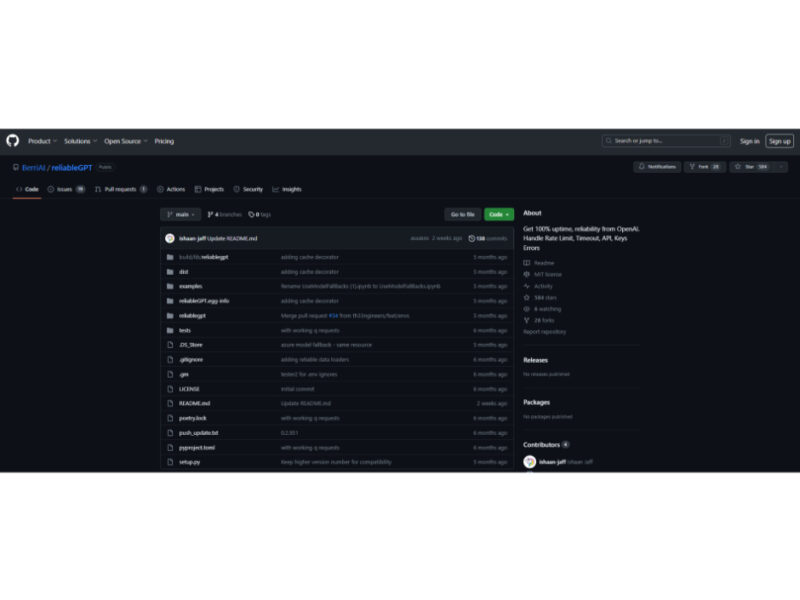
ReliableGPT
ReliableGPT is a robust and innovative tool designed to enhance the stability and reliability of …
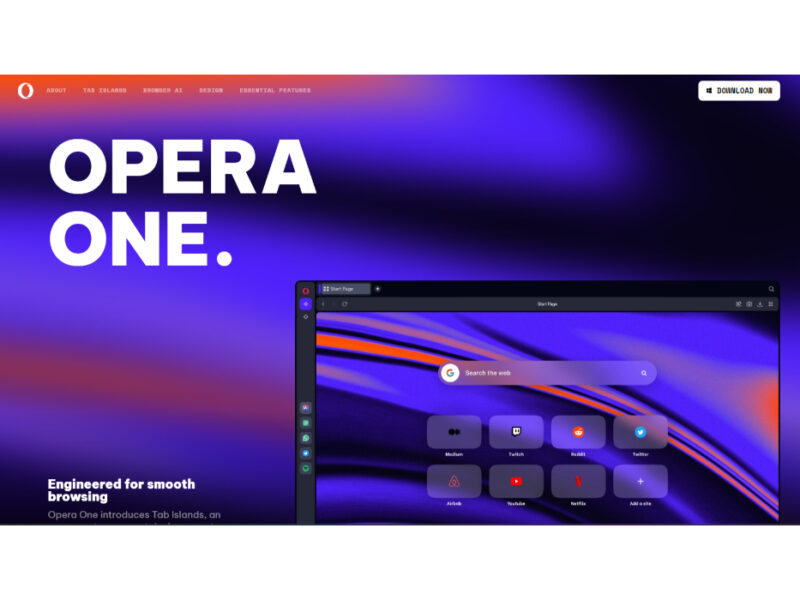
Opera One Browser
Opera One is a next-generation browser that emphasizes a liquid navigation experience. It stands out …
MindStudio
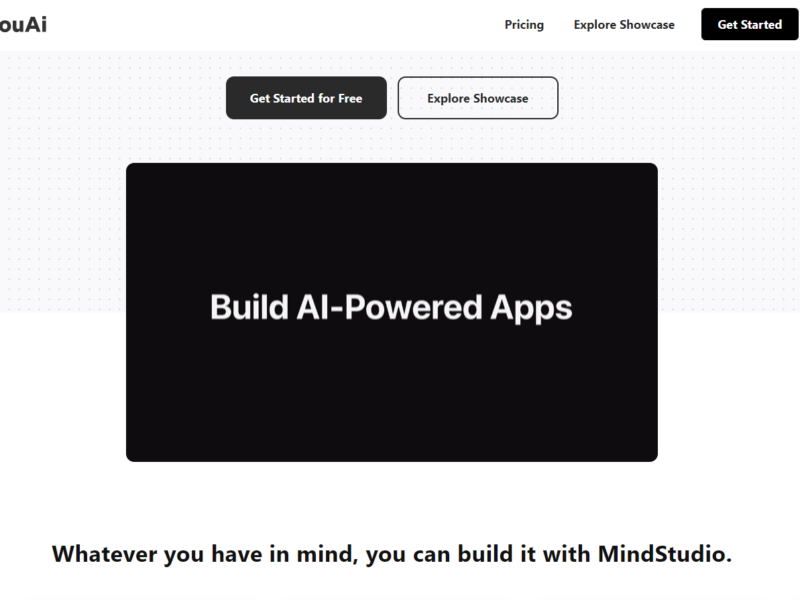
MindStudio by YouAi is an innovative platform that enables users to create personalized AI applications …
Live Preview:
Updates automatically with live stats
Copied to clipboard!