Amazon CodeWhisperer
Supercharge your coding productivity with ML-driven code recommendations, enabling you to write code faster and more efficiently. Get access to cutting-edge technology that provides you with exciting and enticing suggestions, …
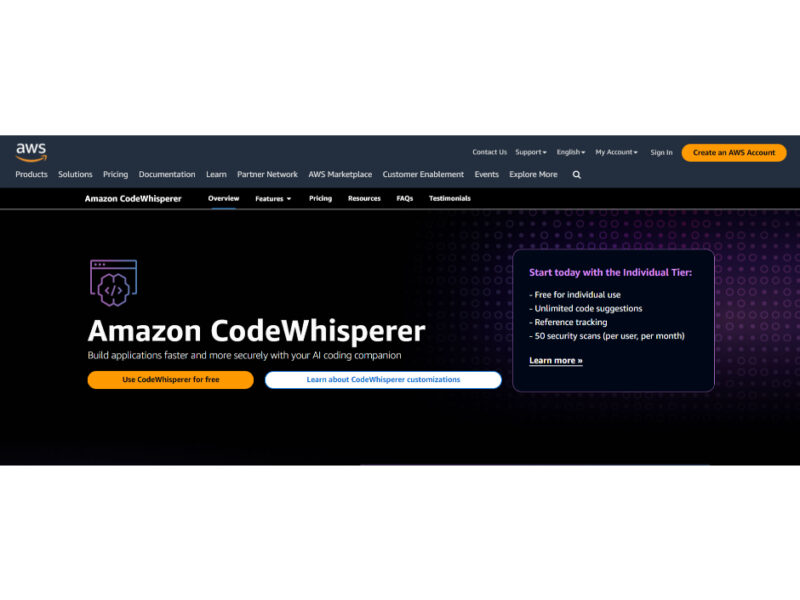
About Amazon CodeWhisperer
Use Cases
Use Case 1: Automating Legacy Java and .NET Upgrades
Problem: Enterprises often run legacy applications on outdated frameworks (like Java 8 or Windows-based .NET) that are difficult to maintain, lack modern security features, and are costly to host. Manually upgrading thousands of lines of code is a slow, error-prone process.
Solution: Amazon Q Developer features specialized "transformation agents" that automate the heavy lifting of software upgrades. It analyzes the existing codebase and autonomously refactors it to modern versions or cross-platform environments.
Example: A developer needs to upgrade a production application from Java 8 to Java 17. Instead of manually updating dependencies and fixing deprecated APIs, they trigger the Amazon Q transformation agent, which scans the code, performs the upgrade, and provides a summary of the changes for review.
Use Case 2: Real-time Cloud Infrastructure Troubleshooting
Problem: When a cloud-hosted application experiences a networking failure or a sudden spike in costs, DevOps engineers often have to sift through endless logs, documentation, and billing consoles to find the root cause.
Solution: Amazon Q acts as an AWS expert integrated directly into the AWS Management Console, Slack, and Microsoft Teams. It can analyze resources, investigate operational incidents, and explain complex billing data using natural language.
Example: An engineer notices a "Connection Timed Out" error on a specific EC2 instance. They ask Amazon Q in the AWS Console, "Why can't my Lambda function reach my RDS database?" Amazon Q analyzes the Security Groups and VPC configurations and identifies a missing inbound rule on port 5432, providing the exact steps to fix it.
Use Case 3: Streamlining Feature Development with Agentic Coding
Problem: Developers spend a significant portion of their day writing "boilerplate" code, unit tests, and documentation rather than focusing on core business logic, which slows down the overall development lifecycle.
Solution: The tool’s "agentic" capabilities go beyond simple code completion. It can autonomously implement entire features by reading existing files, writing new code, generating diffs, and running shell commands to verify the build.
Example: A developer needs to add a new "Password Reset" feature to a web app. They prompt Amazon Q in their IDE: "Implement a password reset flow using AWS Cognito and add unit tests." Amazon Q creates the necessary service logic, integrates the API calls, and generates a test suite to ensure the feature works as expected.
Use Case 4: Proactive Security Vulnerability Remediation
Problem: Security vulnerabilities are often discovered late in the development cycle or even after deployment, making them expensive and risky to fix. Traditional scanners often flag issues without explaining how to resolve them.
Solution: Amazon Q Developer provides continuous security scanning that outperforms many standard tools. It doesn't just identify vulnerabilities like SQL injection or hardcoded credentials; it suggests immediate code remediations to fix them.
Example: While writing a data-processing script, a developer accidentally includes a logic flaw that could lead to an unauthorized data leak. Amazon Q highlights the insecure code in the IDE and provides a "Fix" button that automatically replaces the vulnerable snippet with a secure, best-practice implementation.
Use Case 5: Accelerating Developer Onboarding with Private Code Context
Problem: New developers joining a company often struggle to understand internal libraries, proprietary frameworks, and unique coding standards, leading to a long "ramp-up" period where they are less productive.
Solution: Organizations can securely connect Amazon Q to their private code repositories. This allows the AI to provide recommendations and answers that are specifically tailored to the company’s internal codebase and architectural patterns.
Example: A new hire is confused by a custom internal API for logging. They highlight a piece of code in VS Code and ask, "How do we handle error logging in this specific microservice?" Amazon Q analyzes the company's private repo and explains the internal standard, even suggesting the correct internal utility classes to use.
Key Features
- Real-time inline code suggestions
- Automated legacy application upgrades
- Security scanning with instant remediation
- Natural language to CLI translation
- AWS cloud resource optimization
- Private repository codebase customization
- Agentic autonomous feature implementation
Similar Tools You Might Like
Discover more tools in the same category
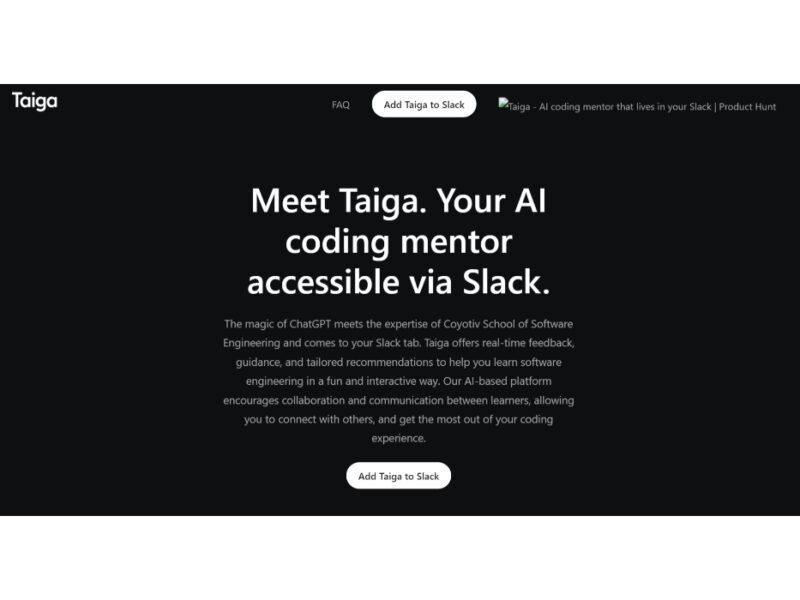
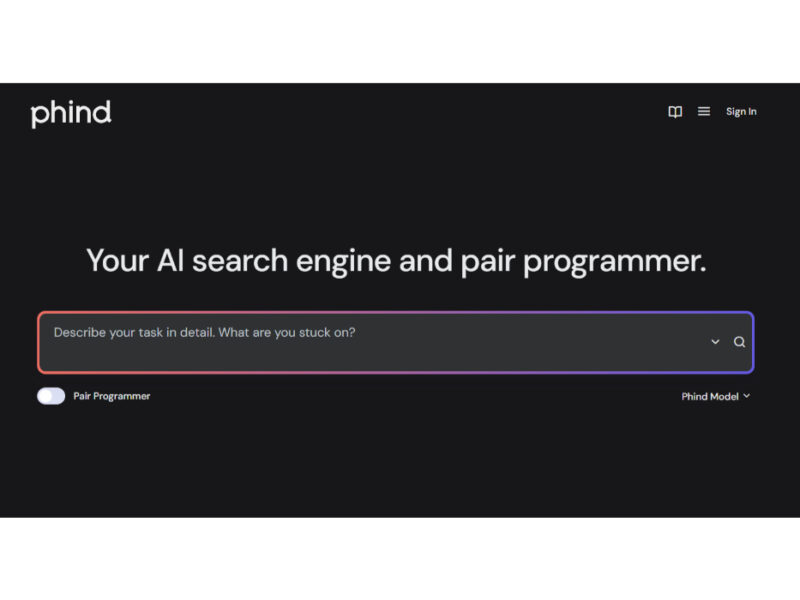

GitFluence
GitFluence is an innovative, AI-powered web application designed to streamline the process of finding and …
Explore Related Categories
Live Preview:
Updates automatically with live stats
Copied to clipboard!